

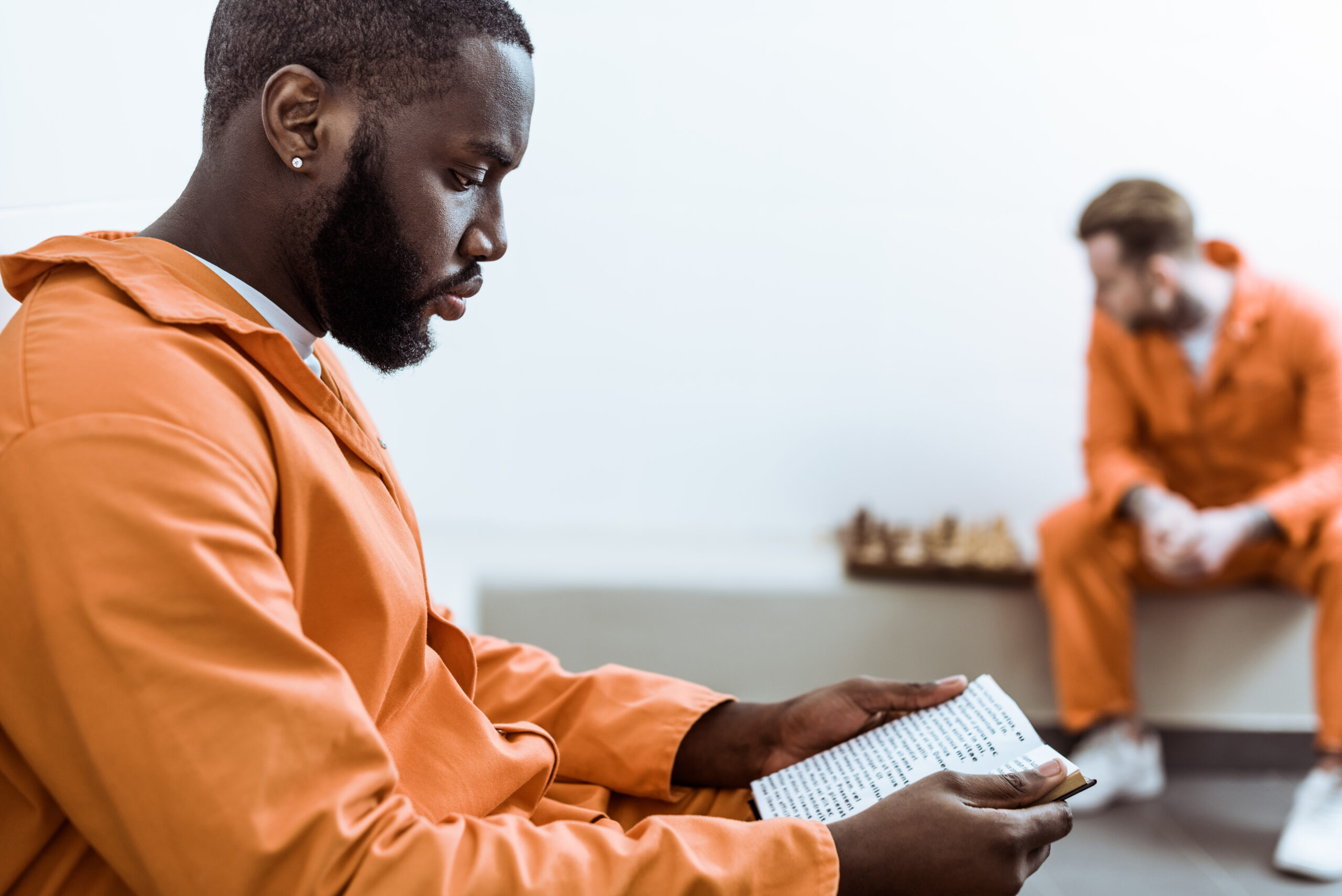

In Brazil, a groundbreaking initiative is redefining rehabilitation. Since 2012, the “Remission Through Reading” program allows inmates to reduce their sentences by reading books and writing reflective essays. Each approved review shortens their sentence by four days, with a cap of 12 books annually, totaling up to 48 days off per year.
This program isn’t just about early release; it’s about transformation. Inmates now read nine times more than the average Brazilian citizen, fostering a culture of learning and introspection within prison walls. For those with literacy challenges, the program offers audiobooks, peer support, and alternative methods like oral reports and drawings, ensuring inclusivity.
Global Perspectives on Prison Rehabilitation
Brazil isn’t alone in this progressive approach. Countries worldwide are embracing education as a tool for rehabilitation:
- Norway: Halden Prison emphasizes humane treatment and education, resulting in one of the world’s lowest recidivism rates.
- United States: The “Inside-Out Prison Exchange Program” brings together inmates and college students in joint courses, promoting mutual understanding and learning.
- United Kingdom: “Storybook Dads” enables incarcerated parents to record bedtime stories for their children, maintaining familial bonds and improving inmates’ self-worth.
- France: La Santé Prison in Paris offers university-level courses in literature and humanities, providing inmates with intellectual stimulation and a sense of normalcy.
Did You Know?
- Inmates participating in educational programs are 43% less likely to reoffend, highlighting the efficacy of such initiatives.
- In Argentina, approximately 85% of prisoners who engaged in educational programs did not return to criminal activities.
Reflecting on Rehabilitation
Brazil’s reading program exemplifies a shift from punitive to rehabilitative justice. By fostering education and personal growth, such initiatives not only reduce recidivism but also prepare inmates for reintegration into society.
What are your thoughts?
Could similar programs be effective in your country? How can societies balance justice and rehabilitation?
Share your views and let’s discuss the transformative power of education in prisons.
Leave a Comment