

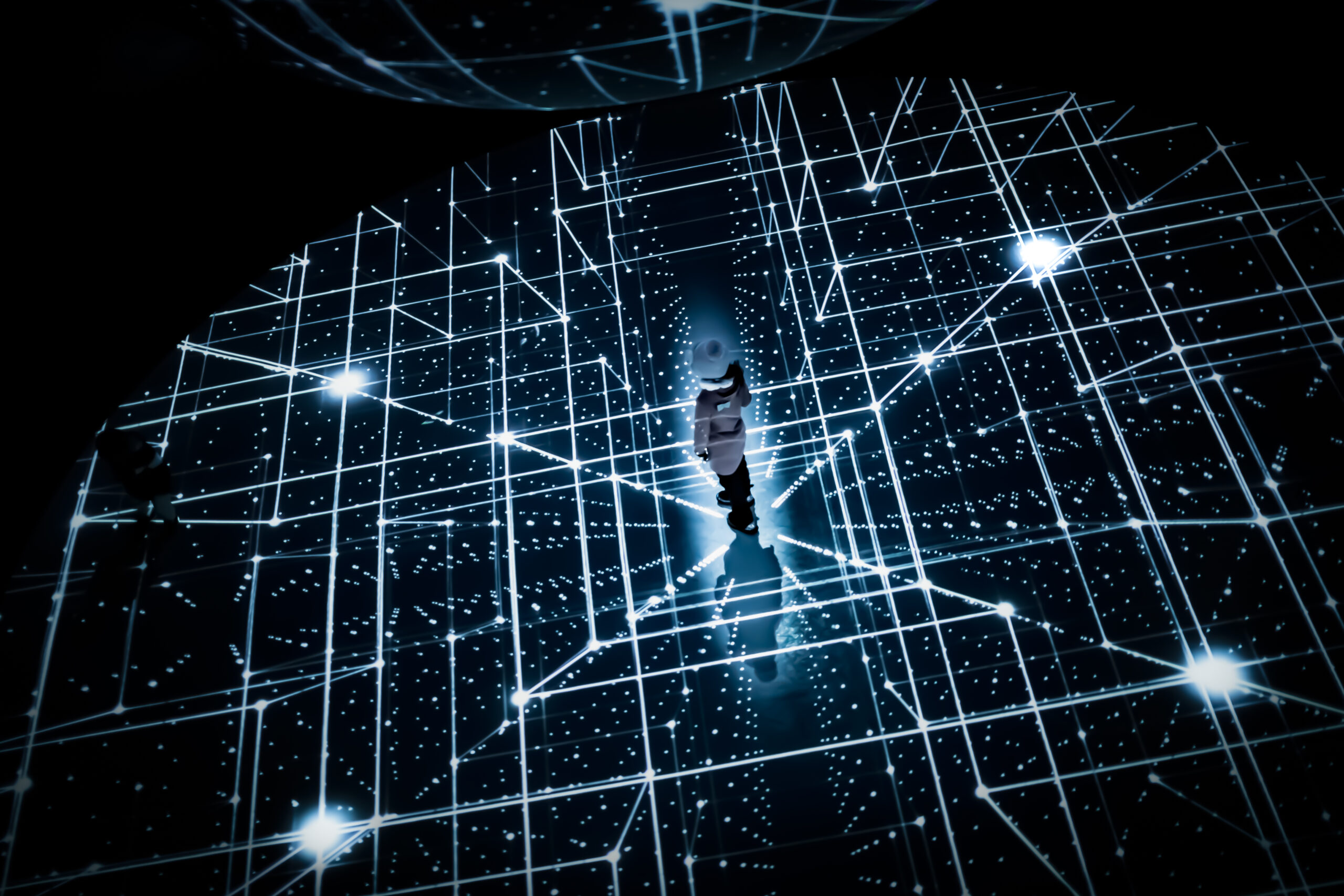

Ever had one of those moments where you’re sure something happened a certain way, but it turns out you’re completely wrong? Welcome to the Mandela Effect—a bizarre phenomenon where large groups of people share false memories of specific events. Some say it’s proof that parallel universes exist, while others blame it on the quirks of human memory. But one thing’s for sure: it’s messing with our minds!
What Exactly Is the Mandela Effect?
The Mandela Effect gets its name from the false memory many people have of Nelson Mandela’s death. Some recall seeing news reports or even attending memorials for his passing in the 1980s, despite Mandela actually passing away in 2013. When thousands of people remembered the same incorrect detail, it sparked the idea that something bigger might be at play.
But is it just faulty memory, or are we tapping into parallel universes? Let’s dive into the weirdness!
Mandela Effect Incidents from Around the World
Here are some classic examples of the Mandela Effect that have left people scratching their heads:
- The Berenstain Bears vs. The Berenstein Bears
Many remember this popular children’s book series being spelled as “Berenstein” with an “e,” but it’s always been spelled “Berenstain” with an “a.” Whole generations of readers swear otherwise! - “Luke, I am your father”
Remember Darth Vader’s iconic line from Star Wars? You’d think it was “Luke, I am your father,” but the actual line is “No, I am your father.” Mind blown? You’re not alone. - Monopoly Man’s Missing Monocle
Many remember the Monopoly mascot, Rich Uncle Pennybags, wearing a monocle. Spoiler alert: he never did! Are we confusing him with the Peanut’s Mr. Peanut or is something weirder going on? - Pikachu’s Tail
A lot of people swear Pikachu had a black tip on his tail. But nope! Pikachu’s tail has always been solid yellow.
Mandela Effect in India: Déjà Vu Desi Style
The Mandela Effect isn’t just limited to the West. Here are some Indian examples that’ll leave you questioning reality:
- “Kitkat: Break or No Break?”
A lot of people in India remember the Kitkat logo with a hyphen, as “Kit-Kat”. But if you look closely, there was never a hyphen. The logo has always been “KitKat”. - “Vicks: Where’s the Vaporub?”
Many Indians vividly remember ads for “Vicks Vaporub”, but the product’s actual name is just “Vicks VapoRub”. That missing “r” is a classic Mandela Effect moment!
Conspiracy Theories: Glitch in the Matrix or Time Travel?
Theories about the Mandela Effect range from quirky to downright mind-bending. Here are some of the wildest ones:
- Parallel Universes Colliding
The most popular conspiracy theory is that we’re slipping between parallel universes. The idea is that in one universe, Mandela died in the 1980s, while in our current universe, he lived until 2013. According to this theory, small glitches happen when two universes collide, leading to the false memories we experience. - Time Travel Shenanigans
Another theory suggests that someone has traveled back in time and changed small events in history, causing ripples in our memories. Sounds like something straight out of Back to the Future, doesn’t it? - CERN’s Role
Some conspiracy theorists believe that CERN, the European Organization for Nuclear Research, has accidentally caused these memory glitches through their experiments with the Large Hadron Collider. They think CERN is inadvertently shifting realities!
Actual Facts: The Science Behind Mandela Effect
Psychologists have an explanation for the Mandela Effect that’s a bit less flashy but still fascinating. It’s a concept known as “false memory”. Human memory isn’t perfect. It’s influenced by a number of things—emotions, the information we absorb later, and even other people’s recollections.
Memory Drift: Over time, details in our memories can shift, especially if we hear others talk about an event differently. This is why so many people might misremember an event in the same way.
Confabulation: Our brains also like to fill in gaps with information that seems to make sense, even if it’s not accurate. That’s why many of us remember the Monopoly Man with a monocle—because it fits the rich old man stereotype.
Did You Know?
- The term Mandela Effect was first coined in 2009 by Fiona Broome, a paranormal consultant after she realized many people shared her false memory of Mandela’s death.
- The Mandela Effect has been referenced in pop culture, including shows like The X-Files and Stranger Things, which often explore themes of alternate realities.
- India’s memory error: A common misremembered fact in India is related to “Mile Sur Mera Tumhara”. Many Indians believe Amitabh Bachchan sang the original version, but it was actually Bhimsen Joshi.
Fun Fact:
The Mandela Effect isn’t just about remembering incorrectly—it could also highlight how social influence and our desire to fit in can shape what we “think” we remember. When one person confidently recalls an event, others often follow, leading to collective false memories.
Conclusion: Reality or Just a Memory Glitch?
So, is the Mandela Effect proof of alternate realities or just our brains playing tricks on us? Whether you believe in parallel universes, time travel, or just simple memory errors, one thing is clear: our memories are way more fallible than we’d like to believe. The next time you swear you remember something one way, double-check—you might just be experiencing your very own Mandela Effect moment!

Leave a Comment