


Did You Know?
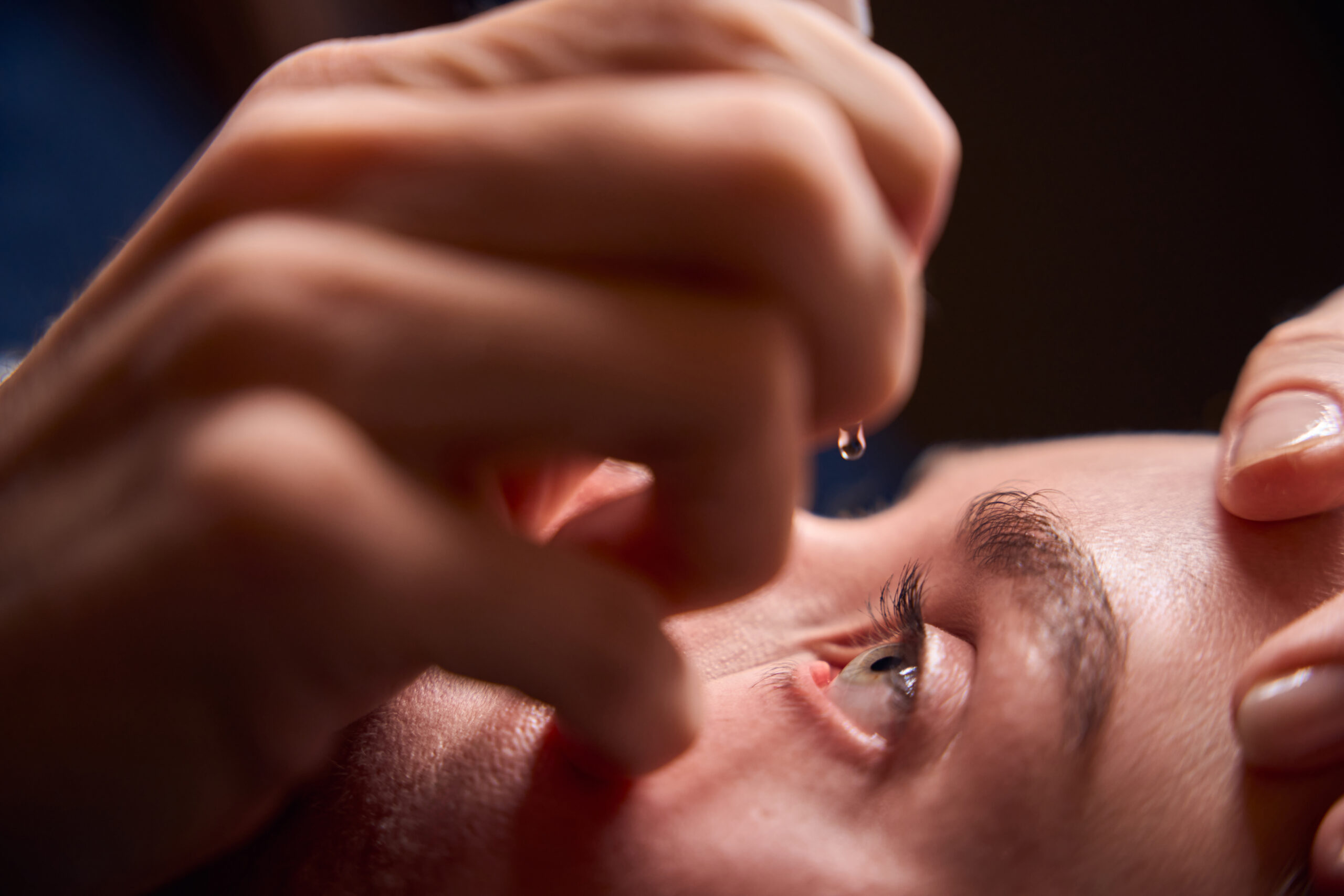
- You might soon toss aside your reading glasses—just add eye drops! By late 2025, a revolutionary FDA-approved eye drop called Vizz (aceclidine 1.44%) will be available to help correct presbyopia—age-related near vision loss—without glasses.
- The magic lies in creating a “pinhole effect.” Vizz gently shrinks the pupil, much like how a small aperture in a camera lens increases focus range, boosting your ability to see up close while preserving distance vision.
The Science Behind the Drop
Presbyopia is caused by the hardening of the eye’s lens, making it tough to focus on nearby objects—a nearly universal condition for people over age 40, affecting approximately 1.8 billion worldwide.
How Vizz works:
- Pupil-selective miotic action: Vizz targets the iris’s sphincter muscle to shrink the pupil to less than 2 mm—enabling the pinhole effect.
- Rapid and lasting performance: Near vision improves within about 30 minutes, lasting up to 10 hours.
- Without disturbing distance vision: Unlike earlier drops (e.g., Vuity) that also engage the ciliary focusing muscle and may cause a “zoomed-in” side effect, Vizz preserves clear distance vision by focusing solely on pupil constriction.
- Proven safety: Based on robust Phase III trials involving thousands of treatment days, Vizz was well tolerated. Common side effects—like mild eye irritation, dim vision, or headache—were short-lived and minor.
Evolution of Presbyopia Eye Drops
Here’s a quick timeline of innovative eye drop treatments:
- Vuity (pilocarpine 1.25%) – FDA-approved in 2021; works via the pinhole effect but may cause more side effects due to ciliary muscle action.
- Qlosi (pilocarpine 0.4%) – FDA-approved more recently, offering another pupil-modulating option.
- Vizz (aceclidine 1.44%) – The first of its kind to use this mechanism with minimal ciliary interference and a focus on pupil constriction only.
- Up next—pipeline contenders: Other innovative agents (like LNZ100/LNZ101 by Lenz, Nyxol by Ocuphire, and others) are in development to further enhance or vary treatment options.
Fun Facts & Trivia
- “Spotlight vision” — The pinhole effect mimics wearing a tiny mask over your eye, boosting clarity by limiting light scatter.
- Decades in the making — Aceclidine has been around since the 1970s as a glaucoma treatment in Europe, but Vizz marks its first FDA-hit for presbyopia.
- From 45 to 100 million — In the U.S. alone, some 128 million adults could benefit from this once-daily drop.
- Natural workaround — Your pupil naturally constricts in bright light to focus better—a trick that these drops replicate pharmacologically.
Why It Matters
- Transformative convenience: Just one drop a day offers up to 10 hours of clear close-up vision—say hello to lighter pockets and sharper screens.
- Accessible alternative: Eyedrops could become a budget-friendly and non-surgical option versus readers or corrective surgeries.
- A new era in eyecare: Vizz introduces a refined mechanism—targeting the pupil only—with superior comfort, safety, and preservation of distance sight.
- Paving the way forward: With additional eye-drop solutions on deck, people may soon choose vision treatments tailored to lifestyle, tolerance, and personal preference.
This breakthrough isn’t just about clearer vision—it’s about redefining how we age. With eye drops like Vizz, millions may soon swap bulky reading glasses for a simple daily drop, gaining convenience, confidence, and freedom. As science continues to innovate, the future of vision care looks sharper than ever.
Leave a Comment