

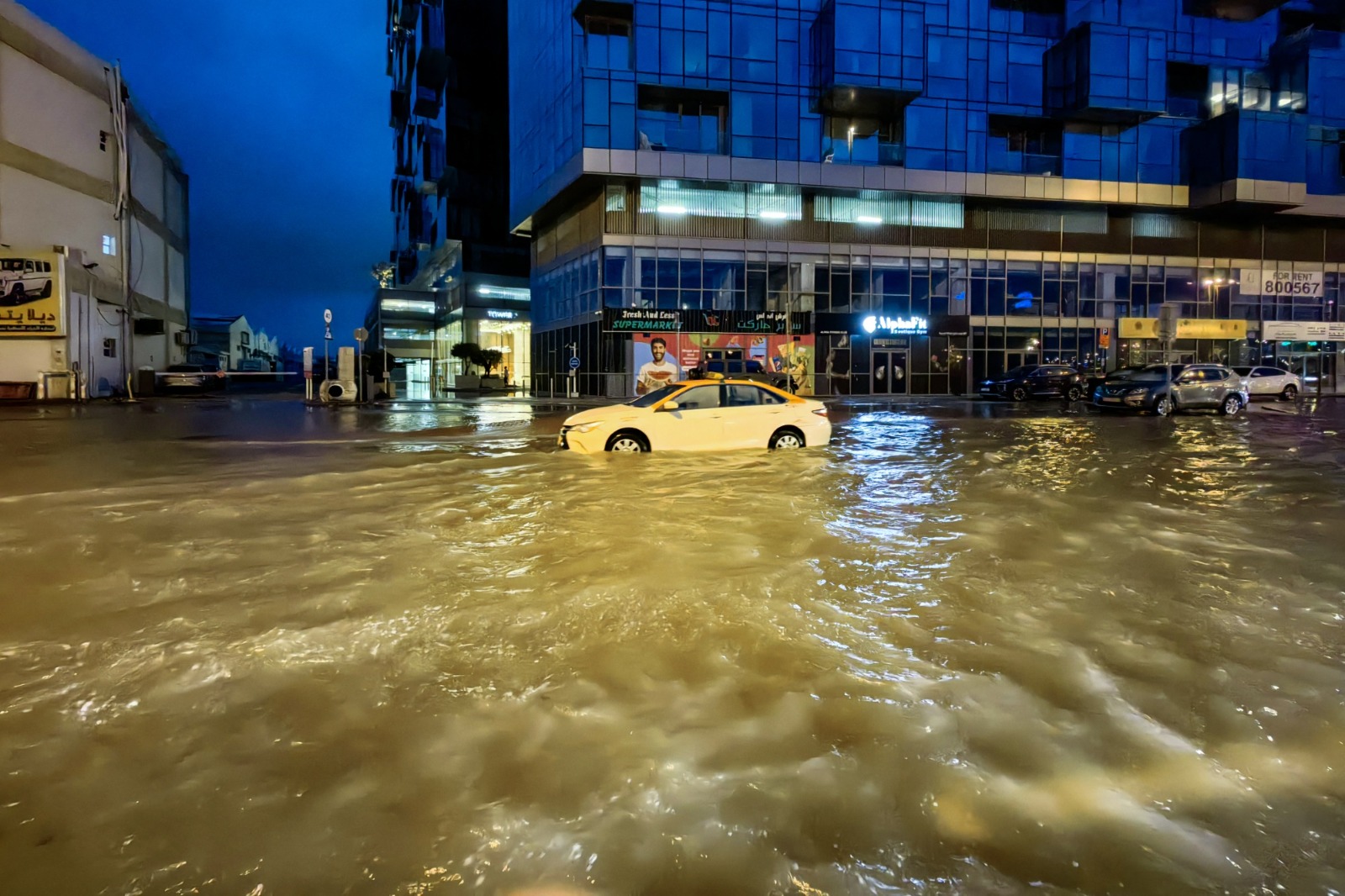

In recent weeks, Dubai has been grappling with unprecedented flooding, prompting speculation and concern regarding the cause of these calamities. Among the circulating theories, one has gained considerable traction: the idea that cloud seeding, a weather modification technique, is responsible for the deluge of rain. However, experts are quick to refute this notion, citing a multitude of factors that contribute to the city’s flooding woes.
Dispelling the Myth: Experts Weigh In
Despite the apparent correlation between cloud seeding operations and the occurrence of rainfall, meteorologists and environmental experts argue that attributing the floods solely to this practice oversimplifies a complex phenomenon. Cloud seeding involves the introduction of certain substances, such as silver iodide or potassium iodide, into clouds to encourage precipitation. While it can enhance rainfall under specific conditions, its impact on the scale witnessed in Dubai is negligible, experts contend.
Dr. Fatima Al Marzooqi, a meteorologist at the Dubai Meteorological Office, emphasizes that while cloud seeding is indeed conducted in the region to mitigate water scarcity, it operates on a localized scale and lacks the capacity to induce widespread flooding. “Cloud seeding is a targeted intervention aimed at increasing precipitation in arid areas,” Dr. Al Marzooqi explains. “However, the recent floods in Dubai are primarily the result of a confluence of natural weather patterns exacerbated by urbanization and inadequate infrastructure.”
Understanding the Factors at Play
To comprehend the root causes of Dubai’s flooding, it is crucial to consider the broader environmental context. The city’s rapid urbanization has led to the proliferation of impermeable surfaces, such as concrete and asphalt, which inhibit natural drainage and exacerbate runoff during heavy rainfall. Additionally, climate change has intensified extreme weather events globally, including the Gulf region, making cities like Dubai more susceptible to torrential downpours.
Dr. Ahmed Khan, an environmental scientist at the University of Dubai, underscores the role of urban planning in mitigating flood risks. “Dubai’s drainage infrastructure was designed to accommodate typical rainfall patterns, but it has become increasingly inadequate in the face of climate change,” Dr. Khan asserts. “Investments in sustainable urban design and resilient infrastructure are imperative to adapt to these evolving environmental challenges.”
The Path Forward: Building Resilience
As Dubai grapples with the aftermath of the floods, policymakers and city planners are confronted with the imperative to enhance resilience and preparedness. Implementing green infrastructure solutions, such as permeable pavements and green roofs, can mitigate surface runoff and alleviate pressure on drainage systems. Moreover, investments in flood forecasting and early warning systems can enable authorities to proactively respond to impending disasters and minimize the impact on residents and infrastructure.
In light of the recent events, the Dubai government has announced plans to review existing flood management strategies and prioritize investments in infrastructure resilience. Sheikh Ahmed bin Saeed Al Maktoum, Chairman of the Dubai Supreme Council of Energy, reiterated the government’s commitment to sustainable development and environmental stewardship, emphasizing the need for holistic solutions to address the challenges posed by climate change.
While the notion of cloud seeding as the primary cause of Dubai’s floods may capture public attention, a nuanced understanding of the underlying factors reveals a more complex reality. By dispelling misconceptions and embracing evidence-based approaches, Dubai can chart a path toward a more resilient and sustainable future in the face of climate uncertainty. As the city confronts the imperative to adapt to evolving environmental challenges, collaboration between policymakers, scientists, and communities will be paramount in safeguarding the well-being of its residents and the prosperity of future generations.
Leave a Comment