

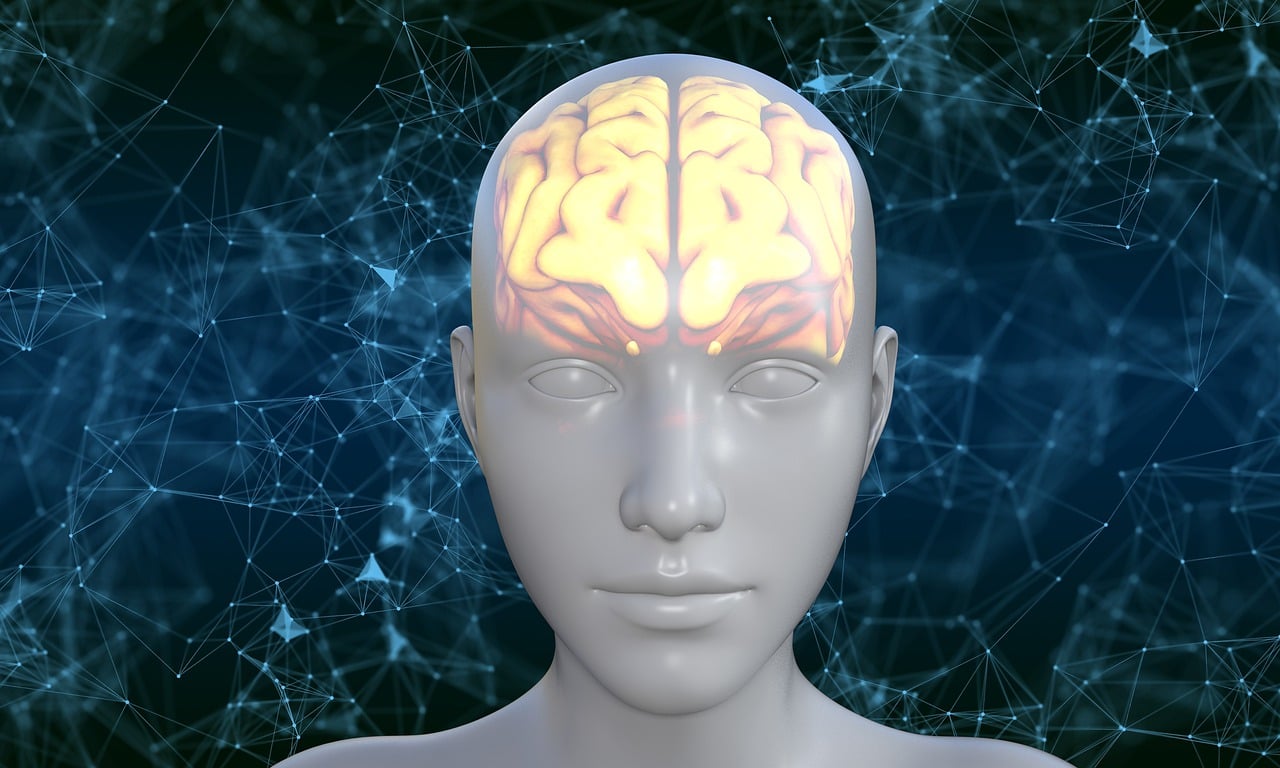

Are you spending hours scrolling mindlessly on Instagram and facebook reels, binge-watching videos on YouTube or switching back and forth among various browser tabs? If so, you might be suffering from ‘Brain Rot’, which Oxford University Press has named its Word of the Year 2024.
The experts from Oxford University Press created a shortlist of six words to reflect the moods and conversations that have helped shape the past year. After two weeks of public voting by more than 37,000 people and widespread conversation, the experts have declared ‘brain rot’ as the Word of the Year for 2024. The experts also considered the public’s inputs and language data, in addition to the voting results.
Brain rot beat five other words on the Oxford’s shortlist which are- Dynamic Pricing, Lore, Romantasy and Slop.
What is Brain Rot?
According to the official statement, brain rot is “the supposed deterioration of a person’s mental or intellectual state, especially viewed as the result of overconsumption of material (now particularly online content) considered to be trivial or unchallenging.” It further adds that the phrase is also “something characterized as likely to lead to such deterioration.”
The word ‘brain rot’ gained new prominence this year as a term used to capture concerns about the impact of consuming excessive amounts of low-quality online content, especially on social media. The term increased in usage frequency by 230% between 2023 and 2024.
Did You Know?
The first recorded use of ‘brain rot’ dates much before the creation of the internet. It was written down in 1854 by Henry David Thoreau in his book Walden, which reports his experiences of living a simple lifestyle in the natural world.
As part of his conclusions, Thoreau criticizes society’s tendency to devalue complex ideas, or those that can be interpreted in multiple ways, in favour of simple ones, and sees this as indicative of a general decline in mental and intellectual effort: “While England endeavours to cure the potato rot, will not any endeavour to cure the brain-rot – which prevails so much more widely and fatally?”
Why Brain Rot Matters?
The term has taken on new significance in the digital age, especially over the past one year. Initially gaining traction on social media platform—particularly on TikTok among Gen Z and Gen Alpha communities—’brain rot’ is now seeing more widespread use, such as in mainstream journalism, amidst societal concerns about the negative impact of overconsuming online content.
In 2024, ‘brain rot’ is used to describe both the cause and effect of this, referring to low-quality, low-value content found on social media and the internet, as well as the subsequent negative impact that consuming this type of content is perceived to have on an individual or society. It has also been used more specifically and consistently in reference to online culture.
Negative Impact of Digital Content
Now also gaining momentum is a broader, more serious conversation about the potential negative impact that excessively consuming this content might have on mental health, particularly in children and young people. Earlier this year, Newport Institute in the US published advice online about how to recognize and avoid ‘brain rot’. It advised limiting screen time, deleting distracting apps from the phone, and turning off unnecessary notifications.
Casper Grathwohl, President of Oxford Languages, said, “‘Brain rot speaks to one of the perceived dangers of virtual life, and how we are using our free time. It feels like a rightful next chapter in the cultural conversation about humanity and technology. It’s not surprising that so many voters embraced the term, endorsing it as our choice this year”. He said “the term ‘brain rot’ has been adopted by Gen Z and Gen Alpha, those communities largely responsible for the use and creation of the digital content the term refers to. These communities have amplified the expression through social media channels, the very place said to cause ‘brain rot’. It demonstrates a somewhat cheeky self-awareness in the younger generations about the harmful impact of social media that they’ve inherited.”
Psychologist and Oxford University Professor Andrew Przybylski said that the popularity of the word is a “symptom of the time we’re living in”. He said there’s no evidence of brain rot actually being a thing. Instead, it describes our dissatisfaction with the online world and it’s a word that we can use to bundle our anxieties that we have around social media.

Leave a Comment