


In a significant discovery, researchers from IIT Roorkee have described fossils of a new snake species which lived around 47 million years ago in Gujarat, as possibly one of the largest snakes to have ever lived in India. The research done by Prof. Sunil Bajpai and post-doctoral fellow Debajit Datta from IIT Roorkee showed that the snake species, part of the now extinct Madtsoiidae snake family, had an estimated length of between 11 and 15 meters (36 to 50 feet). It could have weighed up to 1,000 kilograms.
The extinct snake may have been one of the largest to have ever lived, dwarfing present-day anacondas and pythons that can grow to about 6 meters (20 feet). The colossal creature’s scientific name is Vasuki indicus, named after the mythical serpent around the neck of Lord Shiva and the country of its discovery.
The Research
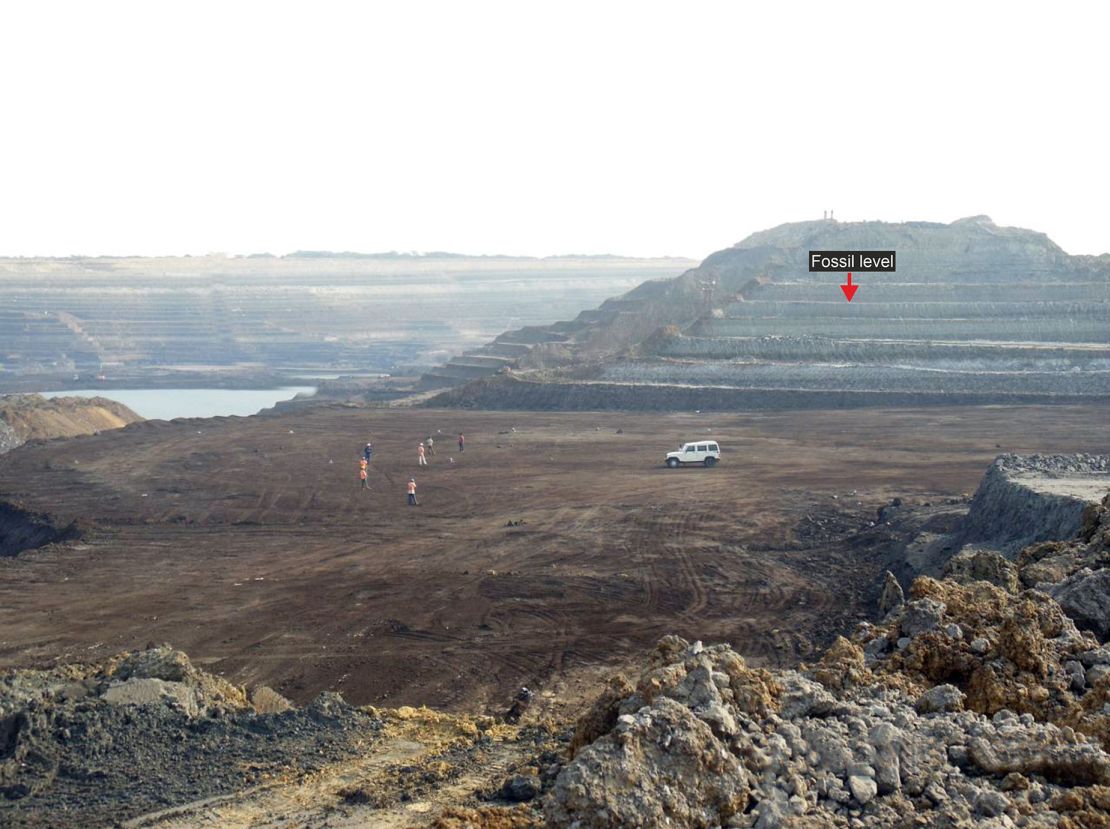
The research that has also been published in the renowned journal ‘Scientific Reports’ , stated that the fossils had been recovered from the Panandhro Lignite Mine in Kutch, Gujarat. It added that the fossil dates to the Middle Eocene period approximately 47 million years ago.
The authors described 27 well-preserved vertebrae in the research, some of which are articulated, appearing to be from a fully-grown animal. The vertebrae measured between 37.5 and 62.7 millimeters in length and 62.4 and 111.4 millimeters in width, thereby suggesting a broad, cylindrical body.
One of the Longest Snakes to Have Ever Lived
Through the research, the authors estimated that Vasuki Indicus may have reached between 10.9 and 15.2 meters in length which is comparable in size to the longest known snake to have ever lived, the Titanoboa, which is extinct now. Identified from fossils in Colombia, Titanoboa would have weighed 1,140 kilograms (2,500 pounds) and measured 13 meters (42.7 feet) from nose to tail tip. It is estimated to have lived around 60 million years ago.
The research suggested that Vasuki Indicus’s large size made it a slow-moving, ambush predator, like an anaconda.
The team was able to infer, based on information on the size and metabolism of living snakes and current temperatures, that Vasuki Indicus lived in a warm, tropical climate, with a mean annual temperature of 28 degrees Celsius.
The Indian lineage
As per the authors of the research, Vasuki Indicus may have belonged to the madtsoiidae family, which existed for around 100 million years, and represented a lineage of large madtsoiids that originated in the Indian subcontinent and spread via southern Europe to Africa during the Eocene, approximately 56 to 34 million years ago.
Leave a Comment