

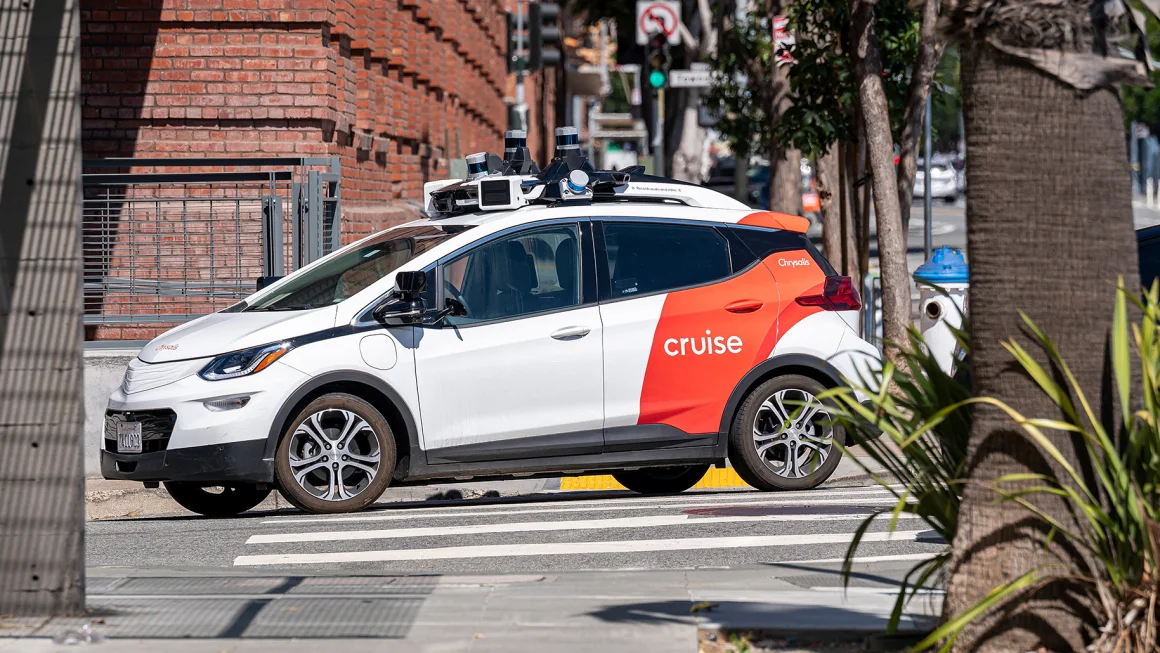

Imagine cruising through the streets in a car with no driver—just you, a comfy seat, and the open road. Welcome to the world of Cruise Taxis! This futuristic vision is becoming a reality in the U.S. and beyond, thanks to advancements in driverless car technology. Let’s dive into how these vehicles are revolutionizing transportation, the benefits and challenges they bring, and what the future holds, including potential impacts in India.
What Are Cruise Taxis?
Cruise Taxis are a fleet of autonomous, driverless vehicles developed by companies like Cruise, a subsidiary of General Motors. These vehicles use a combination of sensors, cameras, and advanced AI algorithms to navigate city streets without human intervention. In places like San Francisco, they are already hitting the roads, offering a glimpse into a future where cars drive themselves.
Did You Know?
- Cruise’s fleet of driverless cars is powered by renewable energy, making them not only innovative but also environmentally friendly.
Global Snapshot: Driverless Cars Around the World
The U.S. isn’t the only country embracing driverless technology. Here’s a look at some other places where these futuristic cars are making waves:
- China: Companies like Baidu are leading the charge with Apollo, an open-source platform for autonomous driving. Cities like Beijing and Shenzhen are testing these vehicles on public roads.
- Japan: Japan, always at the forefront of technology, has been rapidly advancing its driverless car initiatives. The government is focusing on autonomous vehicles as a solution to its aging population and labour shortages in the transportation sector. Companies like Toyota and Nissan are developing self-driving cars that can operate in controlled environments, with ongoing tests in urban areas like Yokohama.
- Germany: Known for its automotive industry, Germany has been testing driverless cars extensively. Brands like BMW and Mercedes-Benz are heavily invested in this technology.
Fun Fact:
- Japan is experimenting with autonomous taxis in its islands and has plans for 40 test sites nationwide by 2025.
- In 2020, a driverless taxi service launched in China became the first to allow passengers without a safety driver on board, marking a significant milestone in the industry!
Benefits of Driverless Cars
The promise of driverless cars comes with several potential benefits:
- Increased Safety: Autonomous vehicles aim to reduce accidents caused by human error, which accounts for 94% of all road accidents.
- Reduced Traffic: AI can optimize driving patterns and routes, potentially reducing traffic congestion.
- Accessibility: These vehicles can provide mobility for those unable to drive, such as the elderly or disabled.
The Flip Side: Challenges and Concerns
While the potential benefits are exciting, there are also challenges and concerns:
- Technical Issues: Sensor malfunctions or software bugs could lead to accidents. For example, there have been incidents where driverless cars struggled with unpredictable human behavior or road conditions.
- Cybersecurity: Autonomous vehicles are vulnerable to hacking, which could have dangerous consequences.
- Job Impact: The rise of autonomous vehicles could lead to job losses in driving-related professions.
Did You Know?
- In 2018, a driverless Uber car was involved in a fatal accident in Arizona, sparking widespread debate about the safety of autonomous vehicles. This incident highlighted the need for rigorous safety testing and regulations.
Innovation and Evolution: What’s Next?
The autonomous vehicle industry is rapidly evolving, with innovations like:
- Enhanced AI: Companies are continuously improving AI algorithms for better decision-making and adaptability in complex environments.
- 5G Connectivity: The rollout of 5G technology will enable faster data transmission, enhancing the real-time decision-making capabilities of driverless cars.
- Electric Vehicles (EVs): Many driverless cars are also electric, contributing to sustainability goals.
India and the Future of Driverless Cars
In India, the adoption of driverless cars faces unique challenges, such as diverse traffic conditions, road infrastructure, and regulatory hurdles. However, the country is also a hotbed of innovation, with startups and major automakers exploring the possibilities of autonomous driving.
Trivia Time!
- India’s Tata Motors is working on autonomous vehicle technology and has already demonstrated an autonomous bus.
Conclusion: A Roadmap to the Future
Driverless cars like Cruise Taxis are transforming the way we think about transportation. While there are hurdles to overcome, the potential benefits—ranging from safety improvements to environmental sustainability—are too significant to ignore. As technology continues to evolve, we can expect to see more autonomous vehicles on the roads, reshaping the future of mobility worldwide, including in India.
So, buckle up and get ready for a ride into the future!
Keep an eye on the horizon, because the future of transportation is closer than you think!
Leave a Comment