

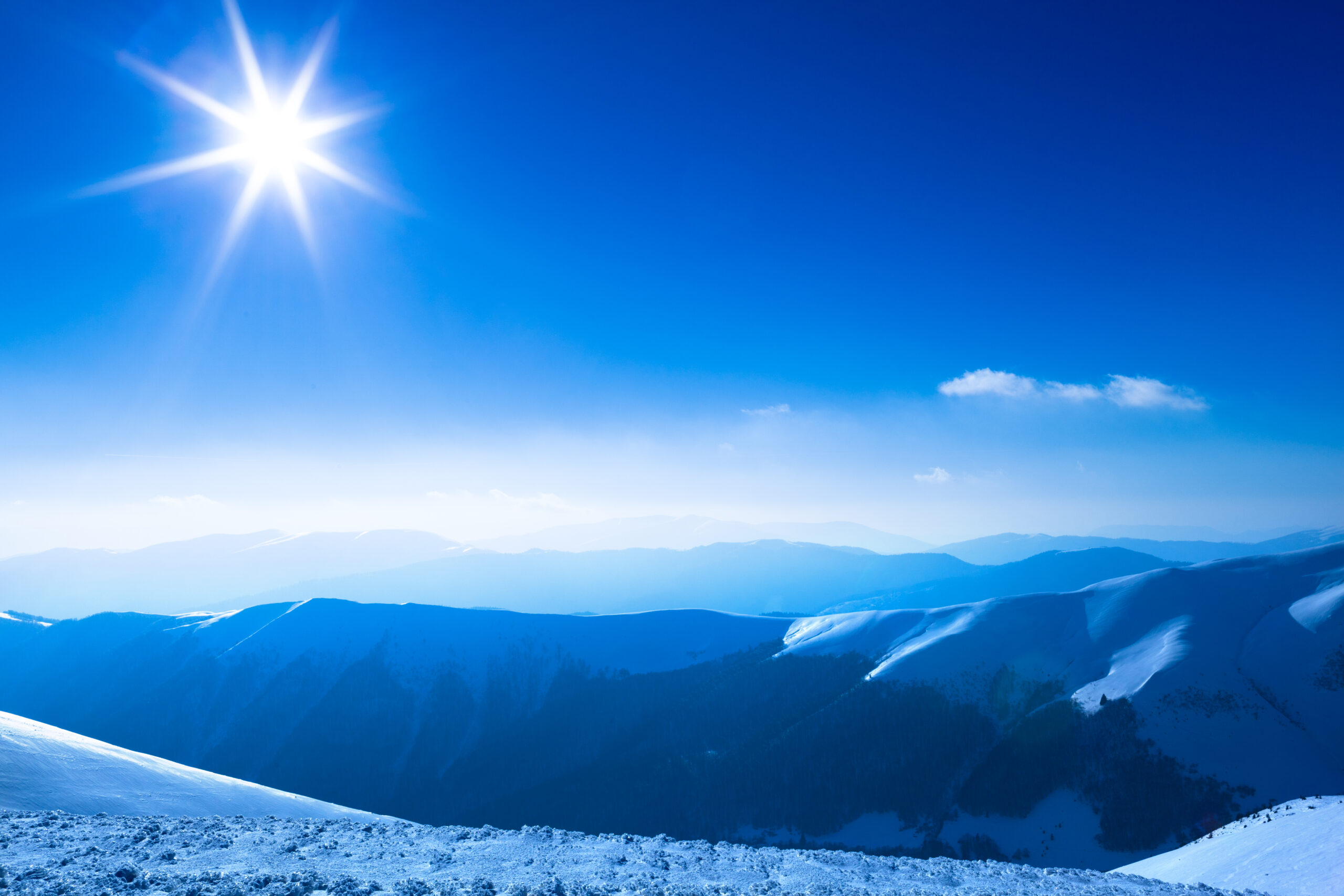

A Summer That Felt Like Winter
Imagine stepping out on a warm summer day, only to find the sky an eerie shade of blue-green and snow covering the ground. Sounds like a scene from a sci-fi movie, right? But this was real. In 1831, something bizarre happened—temperatures dropped suddenly, crops failed, and a mysterious chill gripped the Northern Hemisphere. For nearly two centuries, scientists were left scratching their heads. But now, thanks to modern science, we finally have the answer.
The Clue Buried in Ice
For years, historians and scientists speculated that a massive volcanic eruption was the culprit. But which one? Candidates ranged from a submarine volcano near Sicily to one in the Philippines, yet none matched the timeline—until researchers at the University of St Andrews uncovered a crucial piece of evidence.
By analyzing ancient ice cores, they found microscopic volcanic ash that perfectly matched rock samples from the Zavaritskii volcano in the Kuril Islands, located between Japan and Russia. It turns out, this previously unrecorded eruption blasted sulfur dioxide into the atmosphere, creating a global haze that cooled the planet and turned the sun an eerie shade of blue!
Did You Know?
🔹 When volcanic ash and sulfur particles enter the atmosphere, they scatter sunlight, making the sun and sky appear blue or green!
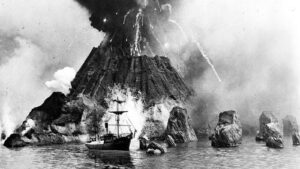
🔹 A similar event happened in 1883 after the Krakatoa eruption, turning sunsets around the world deep red for months!
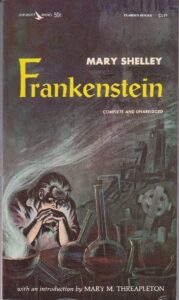
🔹 In 1816, another volcanic eruption (Mount Tambora) triggered the famous “Year Without a Summer,” leading to widespread crop failures and even inspiring Mary Shelley’s Frankenstein!
Mary Shelley’s Frankenstein is a Gothic novel published in 1818, often considered the first true work of science fiction. The story follows Victor Frankenstein, a young scientist who becomes obsessed with creating life. Using body parts from corpses, he assembles and animates a creature—but instead of a glorious achievement, his creation turns into a nightmare.
Did You Know?
Mary Shelley was inspired to write Frankenstein during a ghost-story contest with famous writers like Lord Byron while staying at Lake Geneva in 1816—also known as The Year Without a Summer, caused by the eruption of Mount Tambora!
Other Times Earth Pulled a Fast One on Us
- The Mystery Fog of 536 AD
In the year 536, a thick, sun-blocking fog settled over Europe, the Middle East, and parts of Asia, plunging the world into darkness for nearly 18 months! Crops failed, temperatures plummeted, and historians called it “the worst year to be alive.” Scientists later traced this catastrophe to a massive volcanic eruption in Iceland that pumped so much ash into the atmosphere, it caused global cooling.
- The Krakatoa Explosion of 1883
In August 1883, the Indonesian volcano Krakatoa erupted with such force that it was heard 3,000 miles away! The explosion generated tsunamis, destroyed islands, and lowered global temperatures for years. It also created surreal, blood-red sunsets that were so striking, artists like Edvard Munch are believed to have drawn inspiration for paintings like The Scream!
- The 1991 Mount Pinatubo Eruption
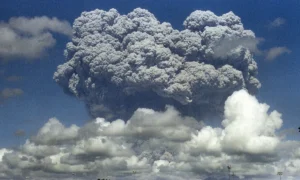
One of the most well-documented cases of volcanic cooling, Mount Pinatubo in the Philippines erupted in 1991, sending millions of tons of ash and gases into the sky. This event temporarily cooled the planet by nearly 0.5°C, proving that even a single volcanic event can alter Earth’s climate.
Could It Happen Again?
Absolutely. In fact, scientists believe we are overdue for another major eruption with global consequences.
Dr. William Hutchison, who led the study on the 1831 event, warns: “There are many volcanoes with the potential to trigger a similar global cooling event. The challenge is predicting when and where.”
With climate change already altering weather patterns, a sudden volcanic winter could be devastating for modern agriculture, economies, and infrastructure. Understanding Earth’s past secrets might just help us prepare for its future surprises!
So, next time the sky looks a little too blue or the summer feels suspiciously cold, you might just be witnessing history repeat itself!

Leave a Comment