

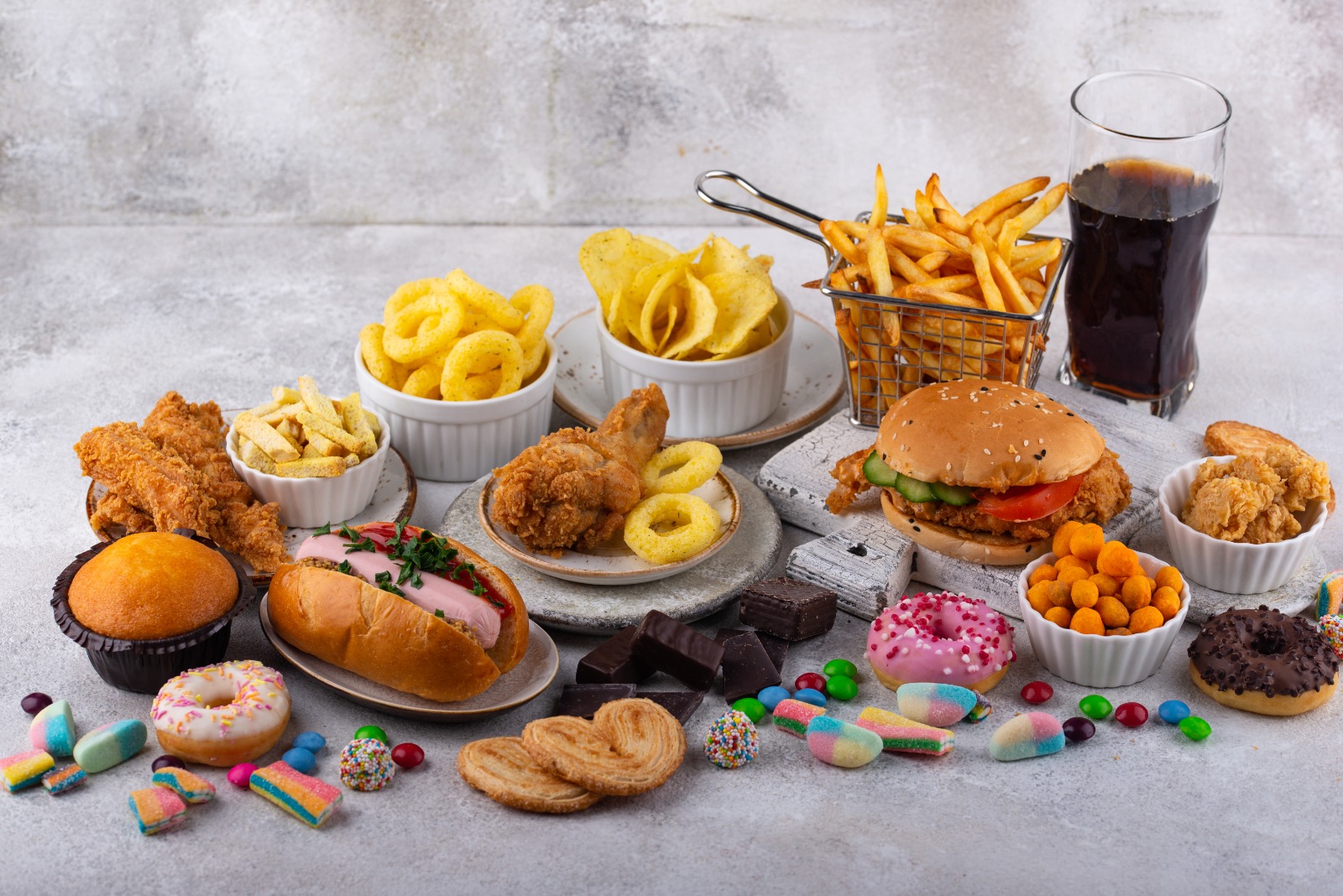

A major 30-year-long study has raised concerns about the link between ultra-processed foods and a higher risk of premature death. The study led by researchers at Harvard T.H. Chan School of Public Health highlighted that high intake of ultra-processed foods—particularly processed meats, sugary breakfast foods, and sugar- or artificially sweetened beverages—may increase risk of early death. The study was recently published in The BMJ.
Ultra processed foods are those that contain ingredients “never or rarely used in kitchens, or classes of additives whose function is to make the final product palatable or more appealing,” according to the Food and Agriculture Organization of the United Nations. Those ingredients — found in things such as sodas, chips, packaged soups, nuggets and ice cream — can include preservatives against mould or bacteria, artificial colouring, emulsifiers to stop separation, and added or altered sugar, salt and fats to make food more appealing.
Results of the Study
The study analysed data from more than 100,000 health professionals in the United States with no history of cancer, cardiovascular disease or diabetes. From 1986 to 2018, the participants provided information on their health and lifestyle habits every two years. They also completed a detailed food questionnaire every four years,
The group eating the least ultra processed food ate about three servings a day on average, while the highest averaged seven servings a day, according to the study. Those who ate the most had a 4% higher risk of deaths by any cause, including a 9% increased risk of neurodegenerative deaths, the data showed.
While the researchers don’t advocate for a complete ban on all ultra-processed foods, they emphasise the importance of “limiting consumption of certain types” to promote long-term well-being.
How Do Ultra-Processed Foods Harm?
Ultra-processed foods can’t really be called ‘food’. They’re more like edible substances primarily composed of chemically modified extracts from food sources, along with additives to enhance taste, texture, appearance, and durability. These include a broad range of ready-to-eat products, including packaged snacks, carbonated soft drinks, instant noodles, and ready-made meals.
Ultra-processed foods contain low amounts of proteins, vitamins, phytochemicals, minerals and dietary fibre, while being rich in saturated fatty acids, salt and sugar and high in calories. Some of the most common ultra-processed foods in India are biscuits, breakfast cereal, bhujia and packaged snacks including several health bars, sweetened beverages including juices, fast food, and ready-to-eat meals.
- Nutrient-deficient & calorie dense: Lacking essential nutrients but high in calories, they contribute to malnutrition, weight gain, and chronic diseases.
- Unhealthy additives: Loaded with added sugars, unhealthy fats, and sodium, they increase risks of heart disease, diabetes, and digestive issues.
- Addiction & environmental impact: Engineered for overconsumption and with a high environmental footprint, they worsen health disparities and contribute to pollution.
- Convenience over health:Prioritising ease over nutrition, they lead to sacrificing health for short-term convenience.
How is it Concerning for India?
The results of the Harvard study are concerning for India as we’re increasingly becoming dependent on ultra-processed foods (UPFs). India’s diet has been reshaped over the course of a single generation, and an appetite for UPFs is now widespread across the country. An average Indian household derives more calories from processed foods than fruits, a 2020 study published in The Lancet suggests. The result is a changing pattern of disease and illness related to diet.
UPFs sales are rising rapidly across the country, and studies report growing popularity in rural and urban areas and across socio-economic groups. According to Euromonitor International 2019, the sales of processed foods in India almost doubled between 2012 and 2018, from $31.30 to $57.70 per person.
The overall per capita sales of ultra-processed foods and beverages in India grew from $900 million in 2006 to over $37.9 billion in 2019, according to a 2023 report by the World Health Organization (WHO) and the Indian Council for Research on International Economic Relations (ICRIER) called ‘The Growth of Ultra-Processed Foods in India’. Consumption of such foods has grown consistently in India, 13.37% between 2011 to 2021, which is among the highest globally.
Be Mindful and Choose Healthy Foods
It is important to be mindful of both ultra-processed and fried foods in your diet and aim for a balanced and nutritious eating. So, instead of reaching for pre-packaged snacks that are often high in unhealthy fats, sodium, and sugar, opt for these–
- Fresh Fruits & Vegetables:Fruits and vegetables are packed with vitamins, minerals, and fibre, essential for good health. They also offer a natural sweetness and a variety of textures to satisfy your cravings.
- Nuts:These provide healthy fats, protein, and fibre, keeping you feeling full and energized. Choose unsalted or dry-roasted varieties for the most health benefits.
- Boiled Egg:A complete protein source with healthy fats and vitamins. Boiled eggs are a quick, portable, and satisfying snack.
- Whole Grain Bread: White bread is stripped of most of its nutrients during processing. Opt for whole-grain bread instead. Whole grains offer a higher fibre content, making you feel fuller for longer and providing essential vitamins and minerals.
- Lemonade or Chaas:Sugary drinks are loaded with empty calories and can contribute to weight gain and other health problems. In summers you can opt for Lemonade or Chaas rather than aerated beverages. Natural drinks keep you hydrated and flush toxins from your body.
Leave a Comment