

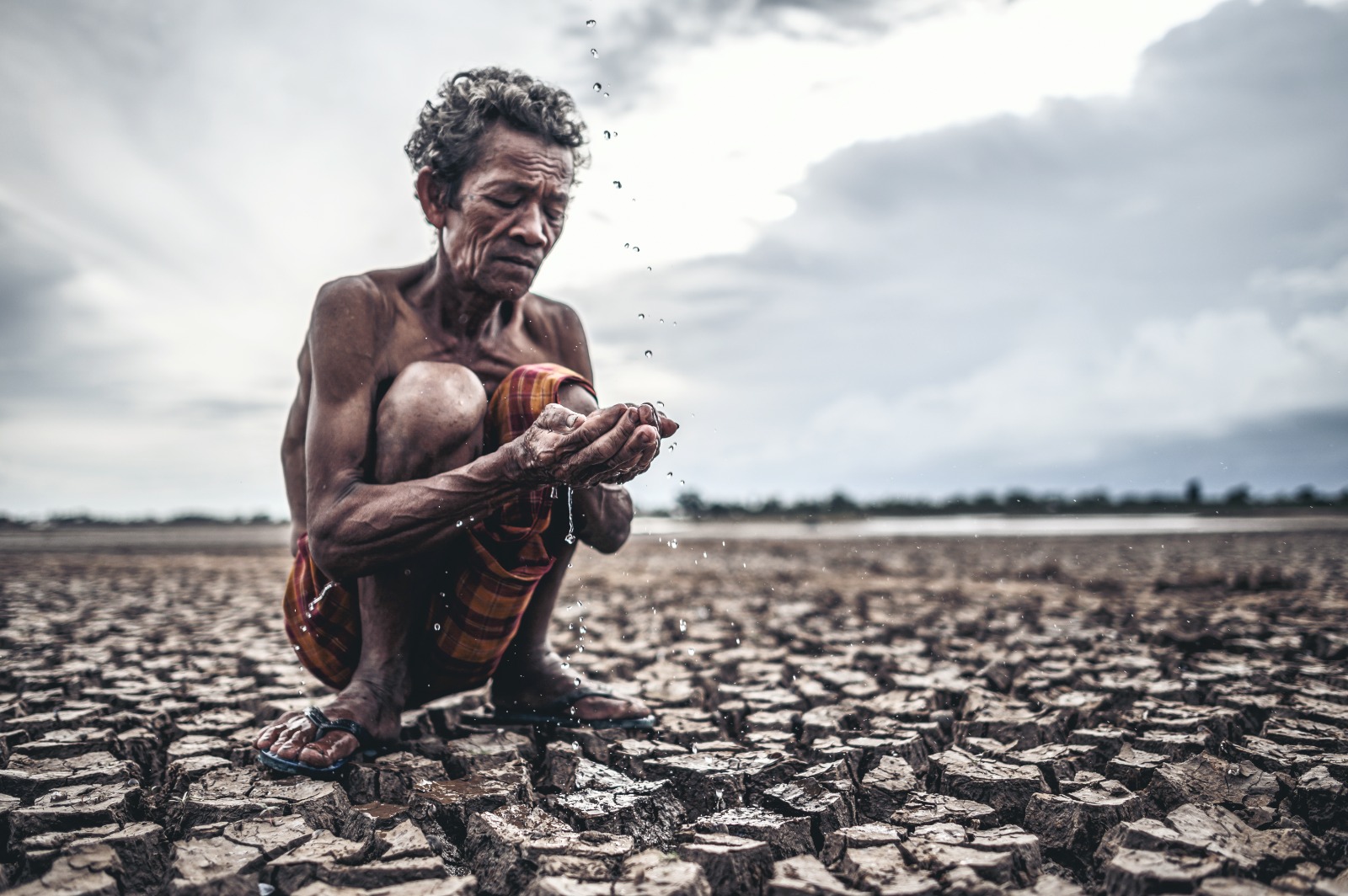

Bengaluru–the Silicon Valley of India is currently facing its worst potable water crisis in decades. It is usually said that traffic is the biggest problem in Bengaluru but it can be said that water is a much larger issue. The water crisis in Bengaluru, like many other cities globally, stems from a combination of factors, including rapid urbanization, population growth, inadequate infrastructure, mismanagement of water resources, and climate change impacts.
Going to be Next Cape Town?
Bengaluru has not seen such a severe water crisis in the last 30-40 years. If the effective measures are not taken soon, the day would not be far when Bengaluru become the next Cape Town and reach ‘Day Zero’. Cape Town in South Africa destroyed all its water bodies and wetlands in its quest for global real estate boom since 1990. In less than 25 years, the city is now totally dependent on a river hundreds of kilometres away through an augmented water supply system. Even its river and the reservoirs are holding less water due to the drought situation. Bengaluru seems to be following the same pattern.
Reason’s Galore
Let’s look at some key reasons contributing to the water crisis in Bengaluru.
Depletion of Groundwater
Bengaluru’s 14 million people require at least two billion litres of water every day. More than 70% of this comes from the Cauvery River which originates in Karnataka and has been at the centre of a water-sharing dispute with the neighboring Tamil Nadu for more than a century. The remaining 600 million litres come from groundwater extracted by borewells and supplied via tankers, which are a lifeline for people in the bordering areas of the city. But a weak monsoon last year and excessive extraction of groundwater have led to a rapid depletion of aquifers, causing water levels to plummet. This has led to a daily shortfall of 200 million litres of water supply.
Unplanned and rapid Urbanisation
Bengaluru, which is home to nearly 14 million people and host to numerous international firms, has experienced rapid urbanisation and population growth over the past few decades, leading to increased demand for water. However, the city’s infrastructure hasn’t kept pace with this growth, resulting in inadequate water supply and distribution systems.
Deforestation and Encroachment
The loss of green cover and rampant encroachment on water bodies and catchment areas have further exacerbated the water crisis. Deforestation reduces the natural recharge of groundwater and disrupts the hydrological cycle, leading to decreased water level.
Polluted Water Bodies
After encroachment, whatever lakes and rivers are left in and around Bengaluru have been heavily polluted due to industrial discharge, untreated sewage, and waste dumping. This pollution has not only reduced the availability of clean water but has also affected the quality of the remaining water, making it unfit for consumption or other purposes.
Climate Change
Changing weather patterns and irregular rainfall due to climate change have also impacted Bengaluru’s water situation. Unpredictable monsoon seasons and extended drought periods have made water management even more challenging for the city authorities.
IISc Study Blames the Concrete Jungle
As Bengaluru grapples with acute water shortage, experiencing the worst drought in the last 30-40 years, experts blame rapid urbanisation, loss of blue-green infrastructure (water bodies and vegetation), and erratic weather patterns for the crisis. An Indian Institute of Science (IISc) study has pinned the blame on the 70% drop in the water spread area in the city. A study by the IISC’s Centre for Ecological Sciences says that over the last 50 years, due to reckless concretization, the water surface has shrunk considerably. The water spread area in Bengaluru has fallen from 2,324 hectares in 1973 to just about 696 hectares in 2023, a 70% drop. Of the remaining water bodies, 98% of lakes are encroached upon and 90% of them are fed with untreated sewage or industrial effluents. Naturally, this has impacted the recharge of the groundwater table as well.
In its study, the IISc scientists mapped the transformation and evolution of Bengaluru over the last 50 years. The study has shown that the city lost its green cover owing to higher quantity of air pollutants and rising temperature levels. The built-up area of the ‘concrete jungle’ in 1973 was around 8%, which rose to 93.3% in 2023. Remote sensing data for Bengaluru reveals only 1.5 million trees support Bengaluru’s population of 9.5 million, indicating one tree for every seven persons in the city.
A Drop in the Ocean
In an attempt to fix the water crisis, the Bengaluru Water Supply and Sewerage Board (BWSSB) has taken various measures, like banning use of potable water for non-essential purposes like cleaning vehicles, construction of buildings and roads, for entertainment purposes or decorations like fountains. In addition, it also will be acting against those who drill unauthorised borewells within the city limits and regulating tanker prices. But these measures don’t seem to be long-lasting solutions.
Water-Sharing Formula
According to Nobel Laureate Ronald Coase, if there are low transaction costs and clear property rights, the two states— Karnataka and Tamil Nadu– could engage in voluntary negotiations over water sharing, as mentioned in The Wire. The water-sharing formula should also involve an integrated water conservation policy, maintaining Cauvery river as a shared responsibility. Investment in irrigation, cropping pattern, any measure to regulate water need to be deliberated upon by both states. However, the historical complexities of the dispute, high transaction costs, and political factors do not allow efficient bargaining.
Not Just Bengaluru
But the problem isn’t limited to just Bengaluru — it has grappled the entire southern region and many other parts of the country. Groundwater levels are plummeting and water reserves in the Cauvery River basin reservoirs have shrunk because of weakened southwest monsoon rainfalls, among other factors. According to the Central Water Commission, Karnataka has 16 major reservoirs that are only 29% full compared to 45% last year. Of the 16 reservoirs, 12 have water levels less than the 10-year average of 40%.
Not just Karnataka, but reservoirs are drying up throughout India. According to a report by India Today, Andhra Pradesh has water storage of 22%, compared to 66% last year. Telangana now has a water scarcity of 42% compared to 59% last year. And Kerala has 35% against 70% last year. Overall, reservoirs in the south are at 43% capacity compared to 52% last year.
In Tamil Nadu, Karnataka, and Andhra Pradesh, along with Bihar, Uttar Pradesh, and Chhattisgarh, reservoir levels are over 20% less than the decade-average. At 49%, the departure from the ten-year average is the highest in Andhra Pradesh. The storage in the reservoirs is less than normal in Odisha, Jharkhand and West Bengal. In the western region, there has been a decrease in storage in reservoirs in Gujarat and Maharashtra.
Long-Term Solutions
The extreme water crisis in Bengaluru is a wake-up call for authorities and people to take the shared responsibility and take efficient measures to tackle the problem together. Continued investments in infrastructure, technology, and governance, along with community participation, are essential to achieving long-term water security. It also requires a combination of short-term and long-term strategies to address immediate needs while laying the groundwork for sustainable water management in the future. Here are some ways Bengaluru could expedite the replenishment of its water:
Rainwater Harvesting
Accelerate the implementation of rainwater harvesting systems on a large scale, not only in buildings but also in public spaces, parks, and roadways. This would help capture rainfall and recharge groundwater aquifers rapidly.
Desilting and Restoration of Lakes
Prioritize the desilting and restoration of lakes and water bodies to increase their storage capacity and improve groundwater recharge rates. Community involvement and public-private partnerships can expedite this process.
Wastewater Recycling and Reuse
Expand wastewater treatment facilities and promote the recycling and reuse of treated wastewater for non-potable purposes such as irrigation, industrial processes, and groundwater recharge. This would reduce the demand for freshwater sources and replenish groundwater levels faster.
Afforestation and Green Infrastructure
Launch tree planting campaigns and implement green infrastructure projects to increase vegetation cover and enhance soil water retention. Afforestation efforts can also prevent soil erosion, leading to more effective groundwater recharge.
Integrated Water Management
Adopt an integrated approach to water management that considers the entire water cycle, including rainwater harvesting, stormwater management, groundwater recharge, and surface water conservation. Coordinating efforts across different sectors and stakeholders can maximize the efficiency of water replenishment initiatives.
Policy Support and Incentives
Provide policy support, incentives, and regulatory frameworks to encourage sustainable water management practices, such as rainwater harvesting, groundwater recharge, and water conservation measures. This could include subsidies, tax breaks, and regulatory reforms to promote water-saving technologies and practices.
Public Awareness and Education
Launch public awareness campaigns and educational programs to engage residents and communities in water conservation efforts. Empowering citizens with knowledge about water conservation and the importance of sustainable water management can catalyse action and support faster replenishment of water sources.
Investment in Research and Innovation
Invest in research and innovation to develop new technologies, methodologies, and solutions for faster water replenishment, such as artificial recharge techniques, smart water management systems, and decentralized water infrastructure.
By implementing a combination of these strategies and leveraging the collective efforts of government agencies, private sector stakeholders, civil society organizations, and local communities, Bengaluru can expedite the replenishment of its water sources and work towards achieving long-term water security.
#BengaluruWaterCrisis #Bengaluru #WaterCrisis #WaterConservation #WaterManagement #CommunityInitiative #SaveWater #Environment #WorldWaterDay #SaveThePlanet

Leave a Comment