

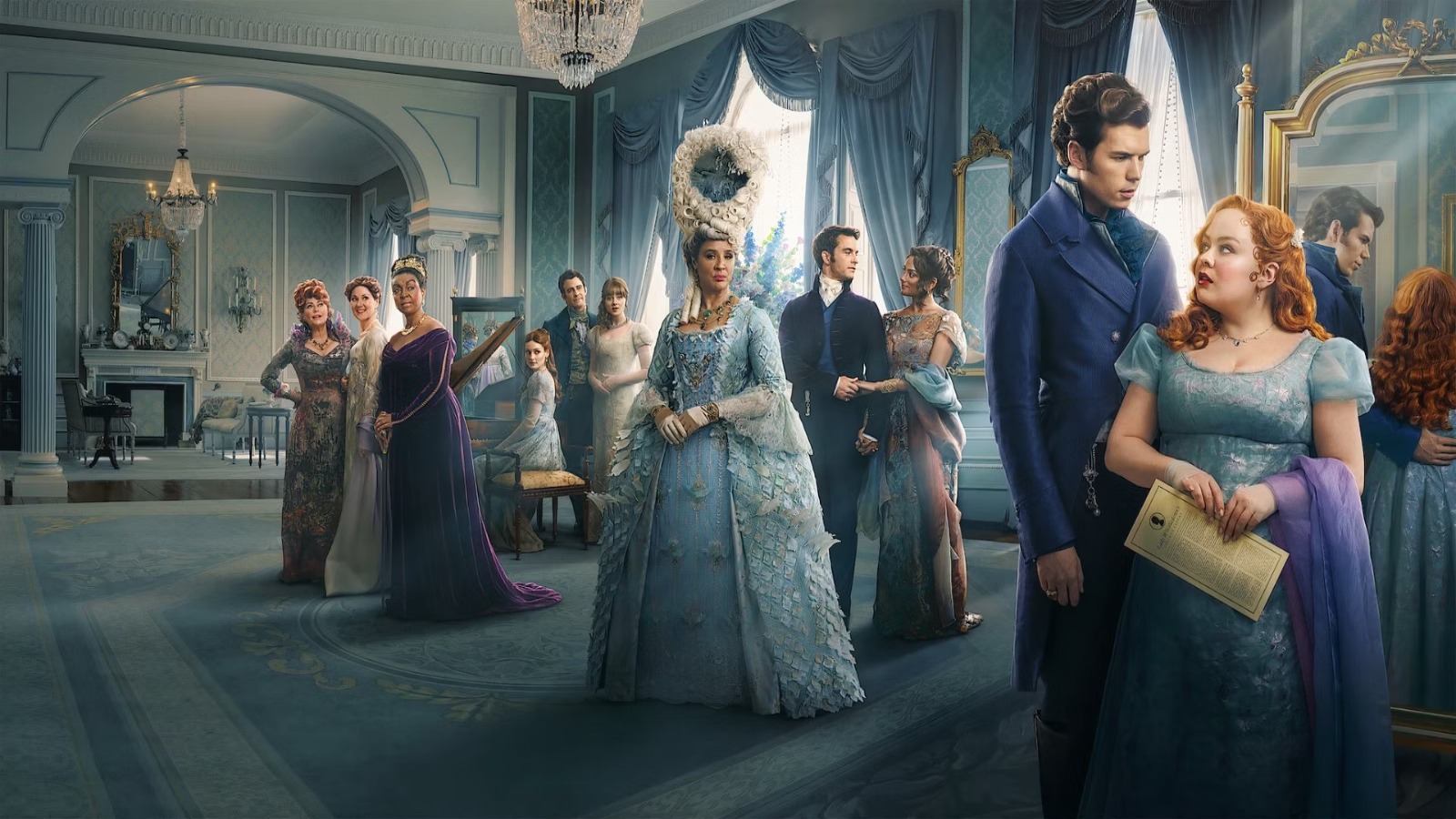

Review: Bridgerton Season 3
While Bridgerton Season 3 brings some notable performances and thematic depth, it struggles with weaker writing and character development. Nicola Coughlan’s portrayal of Penelope is a highlight, but the show’s overall bite and charm seem to be waning. Fans may find the visual spectacle and romantic arcs enjoyable, but the series needs to regain its narrative sharpness to recapture the magic of its earlier seasons.
Impressive Points:
Nicola Coughlan’s Performance: Nicola Coughlan shines as Penelope Featherington, stepping into a leading role with grace and depth. Her portrayal brings a nuanced complexity to a character transitioning from a wallflower to a central figure, offering a fresh perspective on the Bridgerton saga.
Chemistry and Romance: The evolving dynamic between Penelope and Colin adds a new layer to the series. Their relationship, rooted in unrequited love and evolving into mutual interest, offers a different kind of romantic tension compared to previous seasons, which were more focused on instant chemistry and passionate entanglements.
Thematic Depth: This season draws inspiration from Jane Austen’s “Emma,” exploring themes of self-awareness and personal growth. Penelope’s journey mirrors Emma’s narrative arc, emphasizing the importance of tending to one’s own garden before meddling in others’.
Production Design: Despite some criticisms, the hyper-saturated and meticulously crafted sets and costumes continue to provide a visually stunning experience, maintaining Bridgerton’s reputation for opulence and grandeur.
Character Development: The season delves deeper into Penelope’s character, highlighting her flaws and virtues, making her a more rounded and relatable protagonist. This shift allows for a richer storytelling experience, focusing on internal conflicts and personal growth.
Negatives:
Weak Writing: The writing in this season is noticeably flimsy, lacking the sharpness and wit that characterized earlier episodes. The plot often feels contrived, with less emphasis on the intricate storytelling that fans have come to expect.
Colin’s Character: Colin Bridgerton, despite his central role, comes across as somewhat dull. His character lacks the compelling backstory and charisma that previous protagonists brought to the series, making it harder for viewers to invest in his journey.
Production Design Issues: While visually appealing, the production design at times feels overly artificial, resembling the uncanny results of an AI tool. This hyper-saturated aesthetic can detract from the show’s authenticity and immersion.
Penelope’s Character Shift: Elevating Penelope to the protagonist role does her a disservice, as her longstanding conflicts and flaws are subdued in favor of a more mundane narrative. This shift requires viewers to overlook her previous manipulations and embrace a less critical view of her character.
Losing Its Bite: The show seems to be losing its initial edge, with the narrative becoming less gripping and more predictable. The once-sizzling tension and high-stakes drama have given way to a more tepid and conventional storyline.
Leave a Comment