

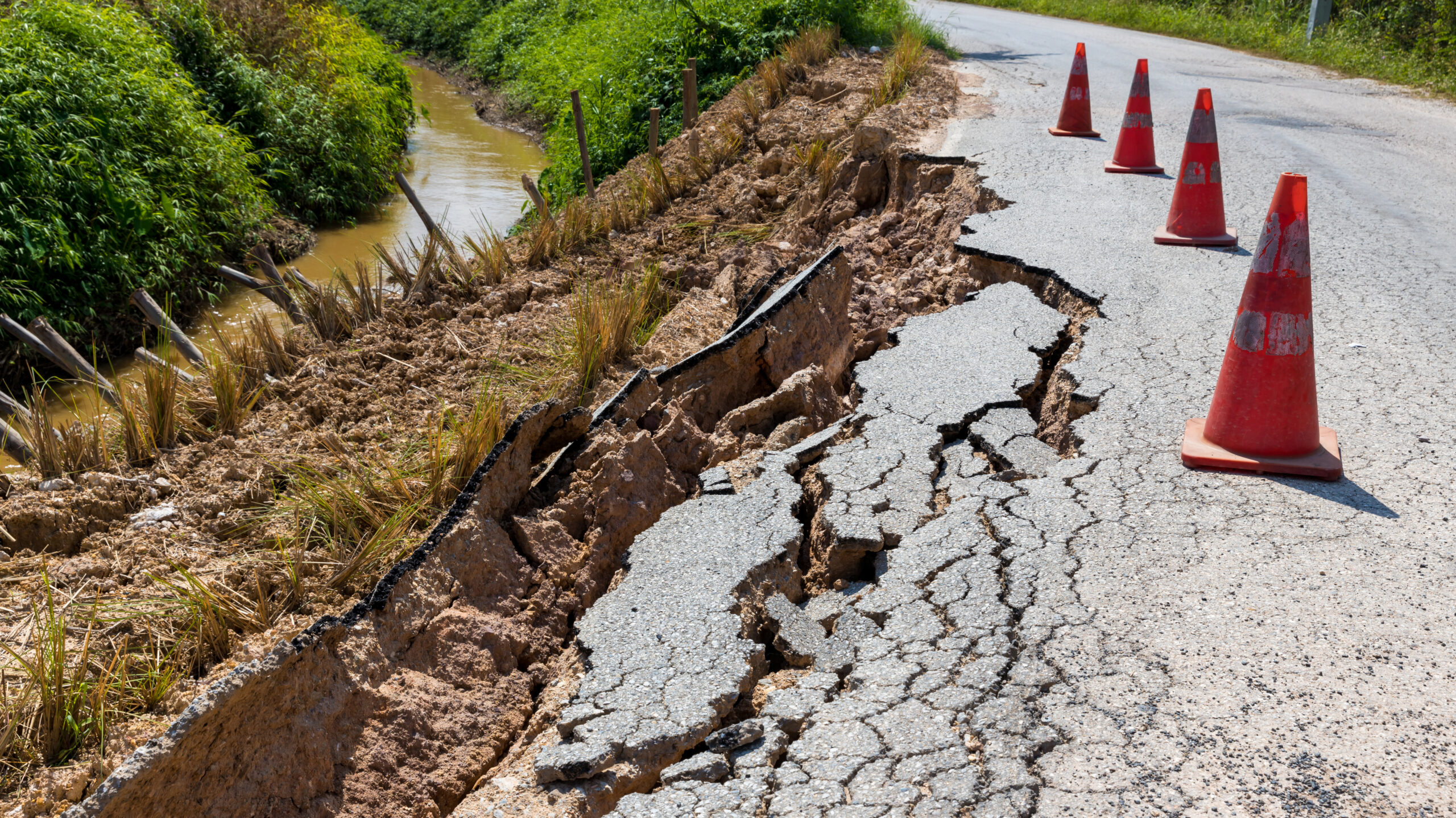

Earthquakes are among the most mysterious and terrifying natural disasters. While some major quakes can be anticipated to a degree, others strike without warning, causing massive destruction and triggering secondary disasters like fires, landslides, and tsunamis. With climate change intensifying other natural disasters such as wildfires and hurricanes, it’s worth exploring whether it could also make earthquakes more common.
Understanding Tectonic Earthquakes
The most dangerous type of earthquake is the tectonic earthquake, which occurs due to the movement of tectonic plates—the massive slabs of rock that makeup Earth’s crust and upper mantle. These plates move an average of half an inch (1.5 centimeters) per year due to heat emanating from deep within the planet. This movement causes them to rub against each other, building up pressure until it reaches a breaking point, resulting in an earthquake.
The Impact of Climate Change
Climate change might increase the frequency and intensity of earthquakes through two main mechanisms: glacial melt and sea level rise.
Glacial Melt and Earthquakes
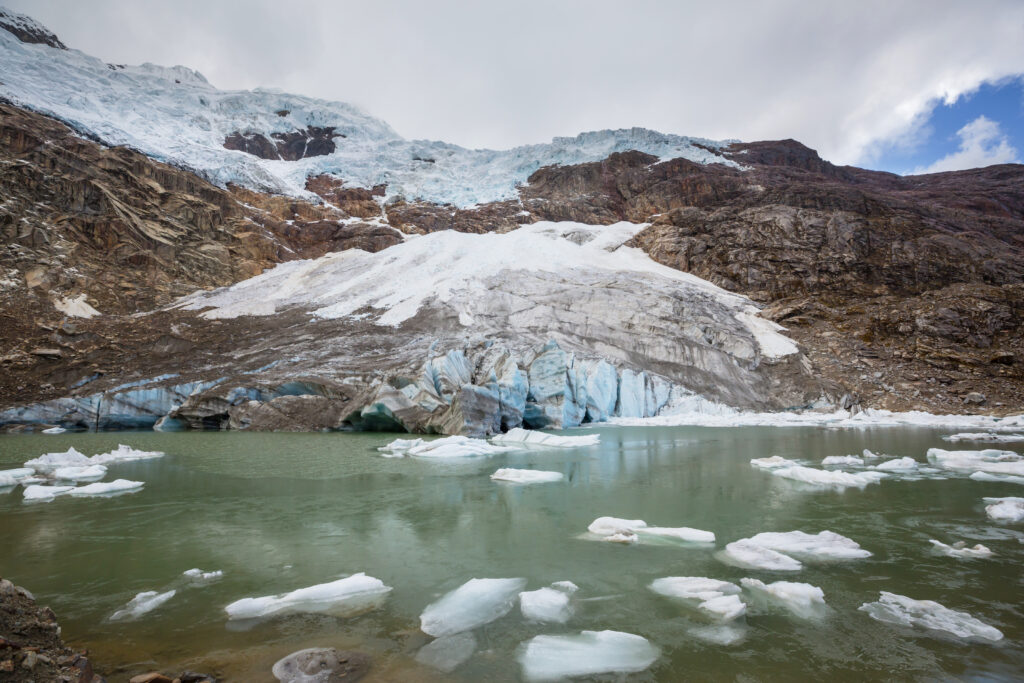
Glaciers around the world are melting at an accelerated rate due to global warming. When glacier water melts and flows into the sea, the land that was previously under the glacier begins to rise. This phenomenon is similar to what happens when a child pushes a pool noodle below the surface of the water and then releases it—the noodle rises back up once the pressure is released. This rising land can create pressure differences that activate dormant faults, leading to earthquakes.
Did You Know? The weight of glaciers can suppress tectonic activity, and their melting can “unload” the land, potentially triggering seismic events.
Sea Level Rise and Earthquakes
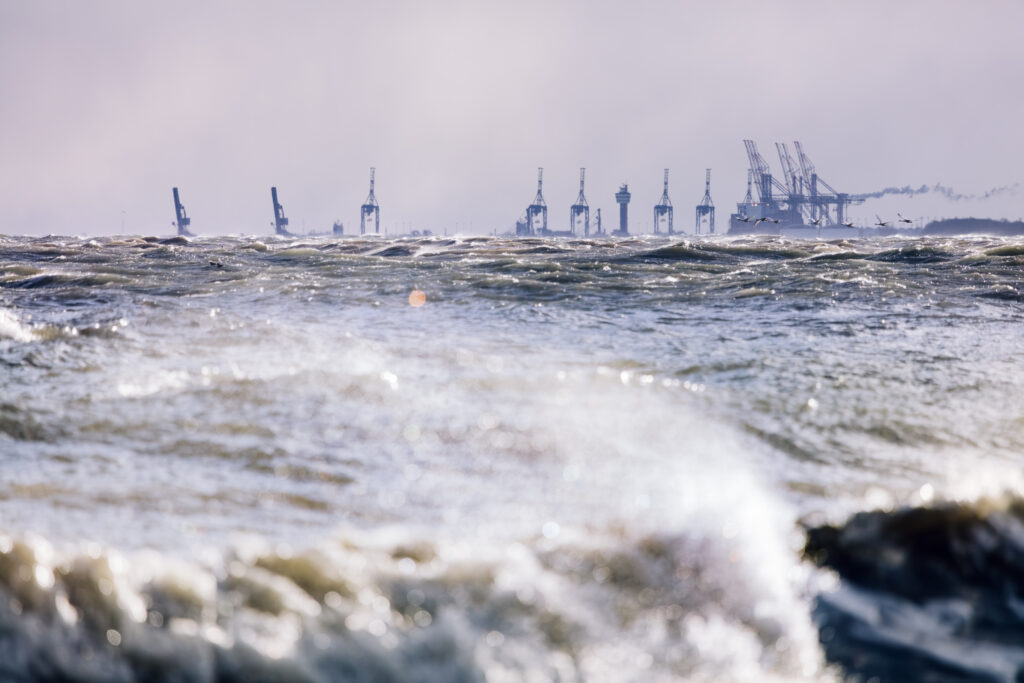
As global temperatures rise, so do sea levels, increasing underwater pressure on the seafloor. This heightened pressure can affect fault lines near the coast. According to Marco Bohnhoff, a geophysicist at GFZ Helmholtz Centre Potsdam, the increased pressure might be enough to trigger earthquakes that are already late in their seismic cycle, such as those predicted near San Francisco and Los Angeles.
Did You Know? Even if we stopped using greenhouse gases today, it would take up to 1,000 years for sea level rise to halt completely.
The Future of Earthquake Predictions
Proving the connection between climate change and increased earthquake activity is challenging and would take centuries. Current research relies on models and historical data to make predictions. For instance, scientists have studied changes in the water level of the Salton Sea in California over the past 1,000 years and found that when the lake was full, more earthquakes occurred along the nearby San Andreas Fault.
Uncertainties and Risks
John Cassidy, an earthquake seismologist, points out that while it’s uncertain whether sea level rise will significantly accelerate major quakes within our lifetimes, climate change will undoubtedly make these events more dangerous. Tsunamis triggered by earthquakes will reach farther inland, increased rainfall will heighten the risk of landslides, and wet ground will amplify earthquake shaking.
Did You Know? The 2011 Tōhoku earthquake in Japan, which triggered a devastating tsunami, was a reminder of how catastrophic these events can be.
Conclusion
The relationship between climate change and earthquake activity is complex and still under investigation. While we cannot predict with certainty how these factors will interplay, it is clear that the effects of climate change will influence the severity of earthquakes and their associated risks. As research progresses, we can expect to learn more about this crucial topic in the coming years.
Stay tuned for more updates on how our changing climate might shape the natural disasters of the future.


Leave a Comment