

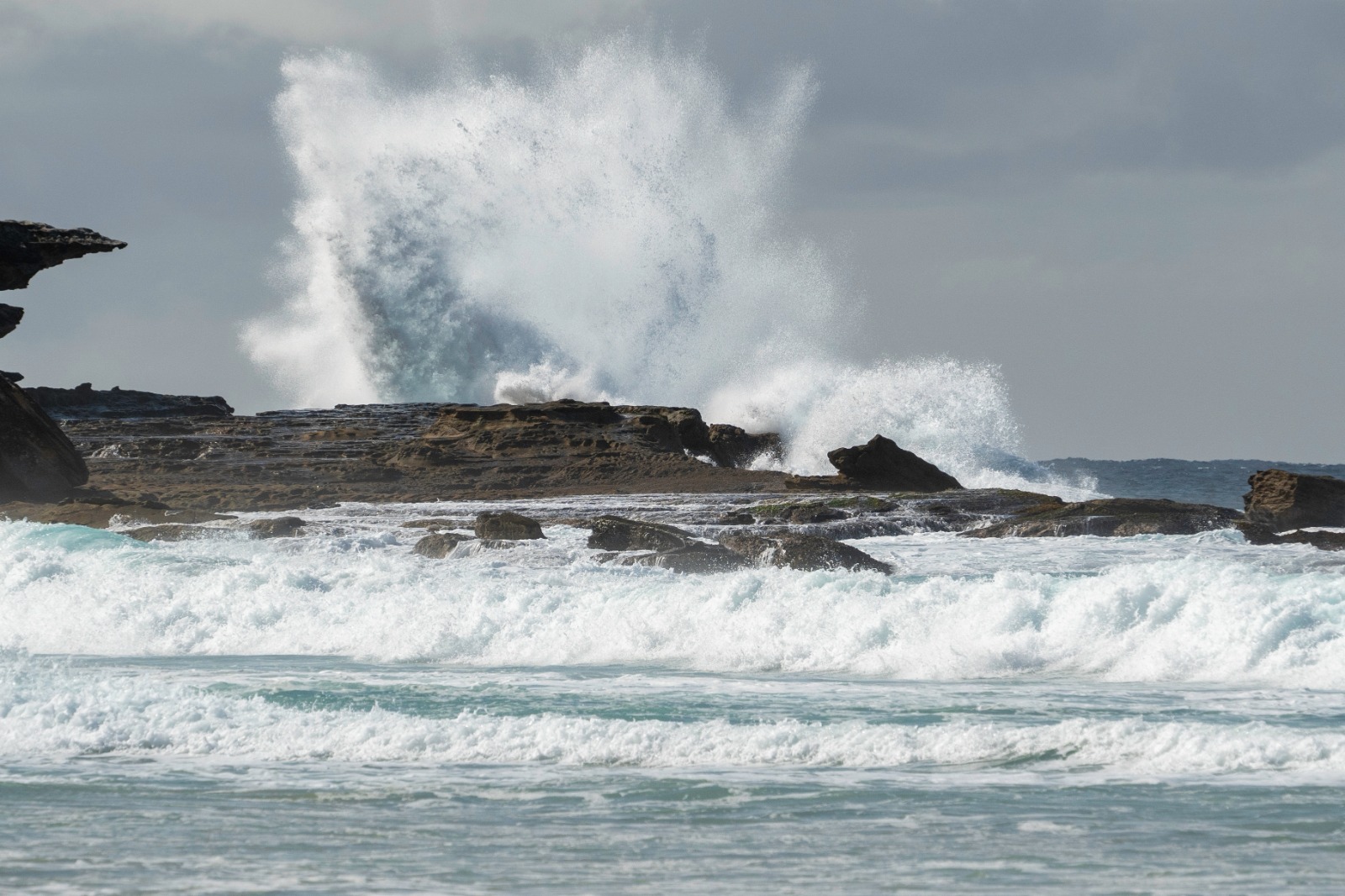

Cyclone Remal, a severe tropical cyclone, has recently formed over the Indian Ocean and is expected to have significant impacts on India and its neighbouring regions in the coming days. As a potent meteorological event, its effects are not only local but also resonate on a global scale, raising concerns about climate change and global warming. Read This report to know its origins, expected trajectory, and impacts, alongside its connection to broader climatic trends.
Origins and Development
Cyclone Remal originated in the south-eastern Indian Ocean, where a low-pressure area gradually intensified into a tropical storm. Favourable conditions, such as warm sea surface temperatures and low vertical wind shear, facilitated its transformation into a severe cyclonic storm. By late May 2024, Remal had gained considerable strength, with wind speeds exceeding 150 km/h and gusts reaching higher velocities.
Expected Trajectory and Duration
According to meteorological forecasts, Cyclone Remal is expected to move north-westward, making landfall on the eastern coast of India, particularly affecting the states of Odisha and West Bengal. The cyclone’s influence will be felt over several days, with its intensity peaking upon landfall before gradually weakening as it moves inland. The exact duration of Remal’s impact is contingent on its interaction with landmass and other atmospheric conditions, but it is anticipated to diminish by early June 2024.
Impact on India
- Meteorological Effects:
- Heavy Rainfall and Flooding: Cyclone Remal is projected to bring torrential rains, leading to widespread flooding in coastal and low-lying areas. This can disrupt daily life, damage infrastructure, and lead to significant economic losses.
- High Winds: Gale-force winds are likely to cause extensive damage to buildings, uproot trees, and disrupt power and communication lines.
- Storm Surges: Coastal regions are at risk of storm surges, which can inundate inland areas, exacerbating the flooding situation.
- Humanitarian Concerns:
- Displacement: Thousands of residents in vulnerable areas might need to be evacuated to safer locations, leading to temporary displacement and logistical challenges.
- Health Risks: Flooding can result in waterborne diseases, posing significant public health risks, especially in densely populated regions.
- Economic Impact:
- Agriculture: The cyclone could devastate crops, affecting the livelihood of farmers and impacting food supply chains.
- Infrastructure: Damage to infrastructure, including roads, bridges, and buildings, will necessitate substantial reconstruction efforts, straining government resources.
Global Implications
- Climate Change Connection:
- Global Warming: The increasing frequency and intensity of cyclones like Remal are linked to global warming. Warmer sea temperatures provide more energy for cyclonic systems, leading to more severe storms.
- Weather Pattern Disruptions: Cyclones can alter global weather patterns, affecting regions far from their immediate impact zone. This can lead to unpredictable weather events in other parts of the world.
- Economic Repercussions:
- Global Supply Chains: Disruptions in India, a significant player in the global economy, can ripple through international supply chains, affecting industries worldwide.
- Insurance and Aid Costs: The economic burden of recovery efforts and international aid can strain financial systems, impacting global markets.
Government and Public Instructions
In anticipation of Cyclone Remal, the Indian government, in collaboration with disaster management authorities, has issued several precautionary measures:
- Evacuation Orders: Residents in high-risk areas are advised to evacuate to designated shelters to ensure their safety.
- Stockpiling Essentials: Citizens are urged to stock up on essential supplies, including food, water, and medications, to last through the storm’s duration.
- Staying Informed: Regular updates from meteorological departments and local authorities should be closely followed to stay informed about the cyclone’s progress and any changes in instructions.
- Securing Property: Precautionary measures, such as securing loose objects, reinforcing windows, and safeguarding important documents, are recommended to minimize damage.
Cyclone Remal stands as a stark reminder of the escalating impacts of climate change. Its impending arrival underscores the need for robust disaster preparedness and international cooperation to mitigate the effects of such natural calamities. As Remal approaches, it is crucial for both local populations and global stakeholders to stay vigilant and proactive in response to this formidable natural event.


Leave a Comment