

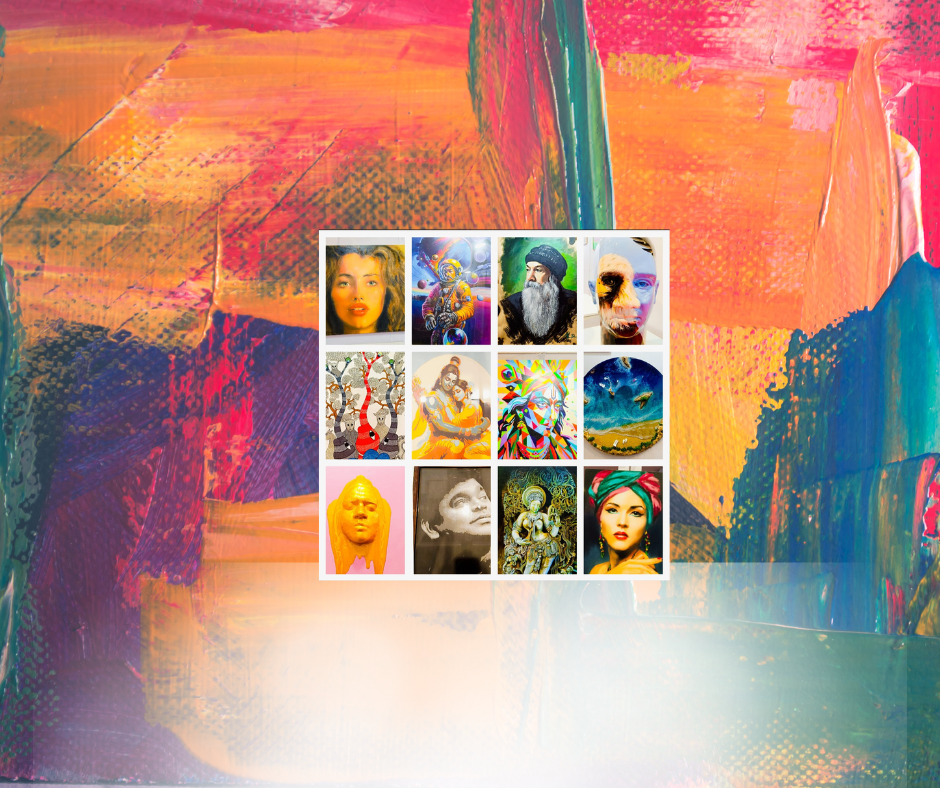

Art is the origin of all emotion. It can transcend language, culture, and time, making it a universal means of emotional expression. Art can bring people together, creating a sense of community and shared emotional experience. Art galleries and exhibitions provide opportunities for people to connect over a shared appreciation of art and the emotions it evokes.
A four-day exhibition was hosted by The Haat of Art (THOA) at Pragati Maidan, New Delhi, from July 24-28, 2024. It evoked an overwhelming response from art lovers, including art collectors, connoisseurs, and art curators. The exhibition captured the hearts of art enthusiasts from all walks of life. The THOA exhibition showcased more than 5,000 artworks by over 400 Fine Art artists, Sculptors, Mural artists, Photographers, and Digital artists.
Amongst this rich tapestry of artistic diversity, the work of a few artists particularly stood out due to their exceptional mastery of techniques. The remarkable detail, precision, and expertise of their art were able to captivate audiences. One such artists was Raju Puthucherri who is a National Award winner.
A Noteworthy Interview
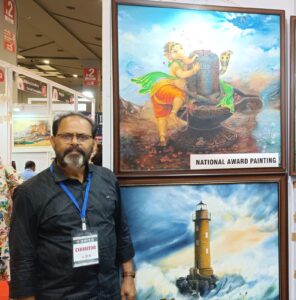
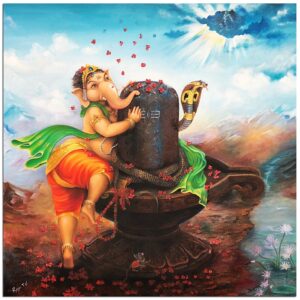
Raju Puthucherri is a National Award-winning artist who creates mainly realistic paintings. He received a National Award in Year 2023 from Sri Dharshini Kalaikoodam Chennai for his Oil painting in realistic category depicting Ganesha hugging Shivalinga showing the bond of love between a son and a father. We had an opportunity to talk with him during The Haat of Art Exhibition in New Delhi.
Puthucherri has studied art from Kerala and is settled in Bangalore where he runs an art school since last 8 years. He enjoys working mostly on realistic paintings though he works on abstract paintings too. As per Puthucherri, his abstract paintings are conceptual or have some meaning in them. He works in all mediums like Oil, Acrylic, Water colours. Apart from this he also works on Air-dry Clay Sculptures.
Creating Meaningful Art
Art is often seen as a form of communication between the artist and the audience. Having a meaning allows the artist to convey a message, idea, or emotion. Raju Puthucherri thinks that an art piece should have a meaning or a message and it should not be just a riot of colours. Art with a clear message or meaning can evoke strong emotional responses and stimulate intellectual reflection. It can provoke thought, inspire change, or elicit empathy.
Raju Puthucherri thinks that art is beautiful and it should be depicted in a beautiful manner without vulgarity. Art should uplift and inspire rather than degrade or shock. He feels vulgarity in art is perceived as disrespectful to Indian cultural norms and values.
Changes in Art Scenario
When we asked Raju Puthucherri about his views on the changes in the art scenario for artists in particular in recent years, he had mixed views. He sees these changes both in a good way and not so good. He thinks that it is amazing that now traditional artists have access to superior materials that enhance the finishing of their work. Improved quality paints, brushes, and canvases contribute to more refined and durable results.
At the same time, he notes that despite a huge growth in the number of artists, truly good traditional art is still limited as many young artists now create art without a proper training. They do not have a meaning or message in their art. He says an artist should follow the seven Principles of Art (balance, contrast, emphasis, movement, pattern, rhythm, and unity/variety) to create a painting, drawing, or other work of art.
Growing Opportunities for Artists
In recent times there has been a surge in Art Galleries/Exhibitions creating a wider space to exhibit and opportunity for artists to display their art. On the question regarding this, Raju Puthucherri thinks that it is both positive and negative for artists. They get an increased exposure and opportunities through such exhibitions. More galleries and exhibitions mean more opportunities for artists to showcase their work to a broader audience, increasing their visibility and recognition.
At the same time the commercialisation of art can pressure artists to create work that aligns with current market trends, potentially limiting creativity and originality. An increase in galleries and exhibitions can make it harder for individual artists to stand out and gain attention. Moreover, participating in exhibitions often involves entry fees, shipping costs, and other expenses, which can be excessive for emerging or financially struggling artists. Galleries typically take a commission on sales, which can significantly reduce the artist’s earnings.
Intersection of AI and Traditional Art
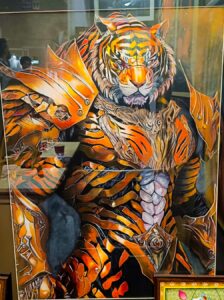
The use of AI and Digital tools in art has been transforming the creative landscape in numerous ways. These technologies offer new possibilities for artistic expression, enhance creative processes, and introduce innovative ways to experience art. However, they also raise questions about authorship and originality. We asked Raju Puthucherri about the growing use of AI and digital tools in Art and his views are worth taking into consideration.
He thinks that it is good that AI and Digital tools are helping artists in so many ways like an artist visualising through AI how their art might look or how they want to create a painting. But after getting an idea or creating a digital art, the artists can hand paint it to call it their original and for treasuring it for posterity.
Wrapping Up
Raju Puthucherri’s insightful reflections especially on the intersection of technology and traditional art were fascinating, and we appreciate his candid reflections on the challenges artists face today.
At the same time, exhibitions like The Haat of Art provide a platform to all kinds of visual artists and are crucial in bridging the gap between traditional and innovative artistic approaches. Such exhibitions provide a unique platform where viewers can engage directly with the artist’s work and develop a deeper understanding of various forms of art.


Leave a Comment