

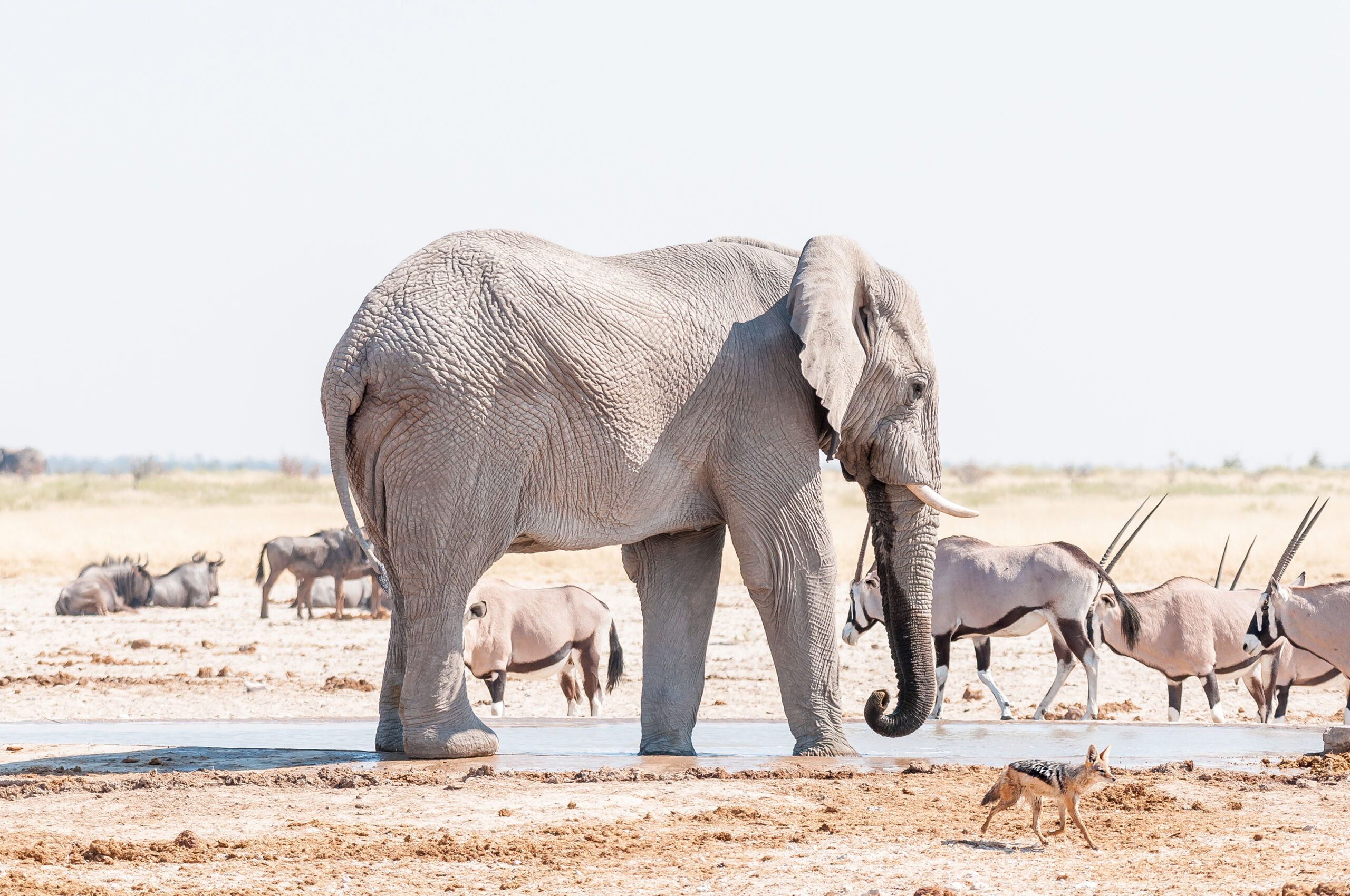

Imagine facing a choice between feeding people and preserving wildlife. This is the difficult situation Namibia finds itself in today. The Southern African nation, grappling with the worst drought in a century, has decided to cull over 700 wild animals, including 83 elephants, to combat a severe hunger crisis. This controversial plan is being carried out to provide food for some of the 1.4 million people — nearly half of Namibia’s population — who are struggling to survive.
But why is Namibia resorting to such extreme measures? And how common is this type of crisis worldwide?
A Nation on the Brink: The Impact of Drought in Namibia
Namibia’s current crisis isn’t an isolated one; it’s part of a larger pattern affecting much of Southern Africa. The region is in the grip of a devastating drought, exacerbated by the El Niño climate phenomenon, which often brings warmer, drier weather. This time, El Niño has caused some parts of Namibia to receive less than half their usual rainfall, decimating crops and livestock.
Faced with this dire situation, Namibia has turned to its wild game for sustenance. The plan is to kill 723 wild animals, including not just elephants but also zebras, hippos, impalas, buffaloes, wildebeests, and elands. The aim? To feed people and prevent dangerous encounters between humans and animals competing for dwindling resources. Namibia’s Ministry of Environment, Forestry, and Tourism has justified the cull, stating that it is necessary for the benefit of its citizens.
“Off the Clock” for a Reason: The Role of Wild Animals in Feeding a Nation
Wild game has always been a part of the diet in Southern Africa, where people consume animals like zebra, blue wildebeest, and impala. Rose Mwebaza, Director of the United Nations Environment Programme’s Africa Office, emphasizes that well-managed, sustainable harvesting of healthy wild animal populations can be a valuable source of food for communities. Namibia’s strategy, she notes, aligns with sustainable practices — as long as it’s done in accordance with both domestic and international commitments and considers animal welfare.
The situation in Namibia is further complicated by the fact that animals, like elephants, consume massive amounts of vegetation and water, resources that are critically scarce due to the drought. Namibia’s government hopes that reducing the number of large animals will mitigate the effects of the drought on both wildlife and human populations.
Did You Know?
- Elephants’ Appetite: Elephants can eat up to 300 pounds of vegetation a day! During a drought, this puts immense pressure on already scarce resources.
- A Dangerous Encounter: Though elephants are herbivores, they can be deadly. In Zimbabwe, elephants killed at least 50 people last year alone. Such encounters are expected to increase as animals and humans both seek water and food.
A Global Crisis: Food Shortages and Drought Worldwide
Namibia’s situation is not unique. In recent years, food shortages due to drought and other extreme weather events have become more frequent and severe across the globe:
- Kenya: Facing its worst drought in 40 years, Kenya declared a national disaster in 2022. Livestock deaths skyrocketed, and millions faced hunger as rivers dried up and crops failed. The government and international organizations have struggled to provide enough food and water.
- Madagascar: In the past two years, southern Madagascar has experienced what is being called the “first climate change famine.” With almost no rain for years, crops have failed, leading to extreme food shortages and leaving over a million people in urgent need of food assistance.
- India: In parts of India, prolonged droughts have led to severe water shortages. States like Maharashtra and Karnataka have seen agricultural yields fall dramatically, affecting millions of farmers and leading to an increase in rural poverty and food insecurity.
- Middle East and North Africa: Countries like Syria and Yemen, already impacted by conflict, are also experiencing severe drought conditions. In Syria, over 12 million people are food insecure due to a combination of conflict, economic collapse, and environmental disasters.
- Central America: The Dry Corridor, spanning across Guatemala, El Salvador, Honduras, and Nicaragua, has been heavily impacted by climate change. Droughts and erratic weather patterns have caused crop failures, contributing to widespread food insecurity and prompting migration.
The Broader Picture: Climate Change and Food Insecurity
These crises are not just about drought. They reflect a broader global problem of food insecurity driven by climate change, conflict, and poor resource management. According to the United Nations World Food Programme, over 30 million people in Southern Africa alone are currently affected by hunger due to climate-related events.
As global temperatures continue to rise, we are likely to see more extreme weather events like the current drought in Namibia. These events can disrupt food production, displace populations, and trigger conflicts over scarce resources. The recent announcement by the U.S. Agency for International Development of additional humanitarian assistance for Namibia and other countries affected by the drought shows just how serious this situation has become.
Human-Wildlife Conflict: A Growing Challenge
The decision to cull wild animals to feed people also brings attention to the growing issue of human-wildlife conflict. As natural habitats shrink due to drought, animals are forced closer to human settlements in search of food and water. This has resulted in dangerous encounters, sometimes with fatal consequences.
“You become a victim of your own success,” says Dr. Juliane Zeidler, Country Director of the World Wildlife Fund in Namibia. As conservation efforts have helped stabilize populations of animals like elephants, these animals now face new threats from a changing climate and shrinking habitats.
Looking Ahead: A Global Call for Sustainable Solutions
The situation in Namibia serves as a stark reminder of the challenges facing many parts of the world today. As climate change continues to impact global food security, finding sustainable solutions that balance human needs with environmental conservation is more crucial than ever.
Namibia’s controversial decision to cull wild animals reflects the difficult choices many countries will have to make in the years to come. It raises questions about how we manage our natural resources, address food insecurity, and adapt to a rapidly changing climate.
Join the Conversation! What Do You Think?
Is Namibia’s plan a necessary move, or is it a dangerous precedent? How should countries balance the needs of their people with the protection of their natural heritage? Share your thoughts in the comments below!
Update on the Situation:
Today, Namibian officials have announced that they will move forward with the culling despite international outcry from conservation groups. The Ministry of Environment, Forestry, and Tourism reiterated its stance, arguing that this is a necessary step to ensure human safety and food security in a dire situation. Meanwhile, humanitarian organizations continue to call for more sustainable solutions and increased international aid to prevent further loss of wildlife.
With the situation still unfolding, the world watches to see how this difficult balance will play out.


Leave a Comment