

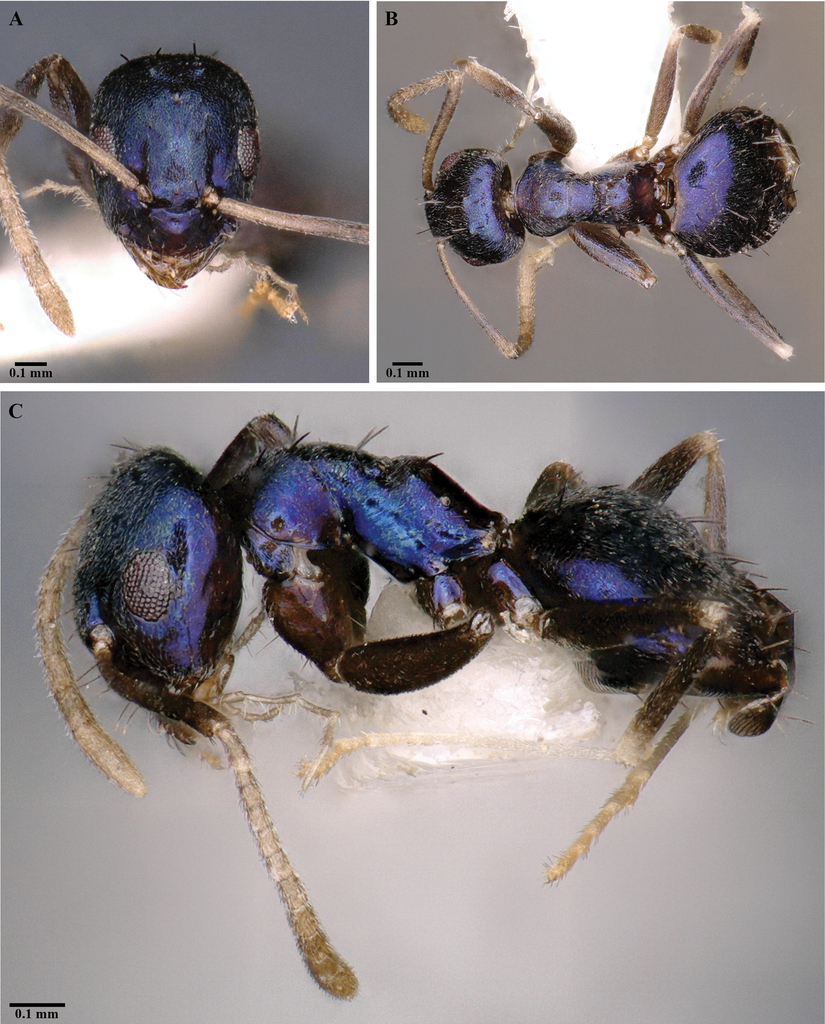

Groundbreaking discovery by scientists highlights biodiversity and conservation needs in the Siang Valley.
A team of entomologists from the University of Florida and the Ashoka Trust for Research in Ecology and the Environment (ATREE) in Bengaluru has discovered a remarkable new species of ant in the Eastern Himalayas. Named Paraparatrechina neela, this discovery marks the first identification of a new species from the genus Paraparatrechina in the Indian subcontinent in over a century.
Background of Discovery
The discovery occurred during a biodiversity expedition in the remote village of Yingku in the Siang Valley of Arunachal Pradesh. The team found the ant in a tree hole approximately 10 feet above the ground. This expedition, funded by the National Geographic Society, aimed to document the region’s rich wildlife and investigate the impact of environmental changes.
The last new species from this genus was named by a British military mission 121 years ago. The expedition’s findings underscore the ongoing potential for significant discoveries in even well-studied regions.
Description of Paraparatrechina neela
Paraparatrechina neela is distinguished by its unique appearance. Measuring less than 2 mm in length, the ant has a predominantly shiny blue body—a rarity among the 16,724 known ant species, which typically do not exhibit blue colouring. The ant’s head is sub triangular with large eyes and a triangular jaw featuring five teeth, setting it apart from other species within the same group.
Scientific Significance of the Discovery
The discovery of Paraparatrechina neela underscores the extraordinary biodiversity of the Himalayas and the unique ecological niches that ants occupy. This finding is particularly significant for entomology as it demonstrates that even regions that have been extensively studied can still yield new species. Such discoveries enhance our understanding of biodiversity and the intricate ecosystems in these areas.
Dr. Smith, a leading entomologist from the University of Florida, noted, “This discovery is a testament to the hidden biodiversity that still exists in remote regions of the world. It emphasizes the importance of continuous exploration and study to uncover the mysteries of nature.”
Conservation Concerns
The Siang Valley is renowned for its diverse ecosystems, but it faces significant threats from large-scale infrastructure projects and climate change. These developments pose severe risks to local wildlife and the millions of people who depend on these environments for their livelihood. Documenting new species like Paraparatrechina neela is crucial for developing informed conservation strategies that protect both human and environmental health.
The discovery of Paraparatrechina neela serves as a reminder of the delicate balance within these ecosystems and the urgent need for conservation efforts. It highlights the importance of preserving biodiversity hotspots, which are vital for maintaining ecological balance and supporting human communities.
Interesting Facts and Related Discoveries
- Global Biodiversity: This discovery is part of a broader trend of uncovering new species worldwide. For instance, a recent study in the Amazon Rainforest revealed several new frog species, emphasizing the rich and often unexplored biodiversity in remote regions.
- Technological Advances in Exploration: Modern technology, such as DNA analysis and remote sensing, is playing an increasingly important role in discovering and cataloguing new species. These tools allow scientists to explore previously inaccessible areas and identify species with greater accuracy.
- Conservation Initiatives: Similar to the efforts needed in the Siang Valley, conservation initiatives around the world are focusing on protecting habitats from the impacts of human activity and climate change. Programs like the Global Wildlife Conservation’s “Search for Lost Species” are crucial in highlighting and protecting newly discovered and endangered species.
The discovery of Paraparatrechina neela is a significant milestone in understanding the biodiversity of the Eastern Himalayas. It calls for increased efforts in conservation and sustainable development to protect these unique ecosystems for future generations.
Leave a Comment