

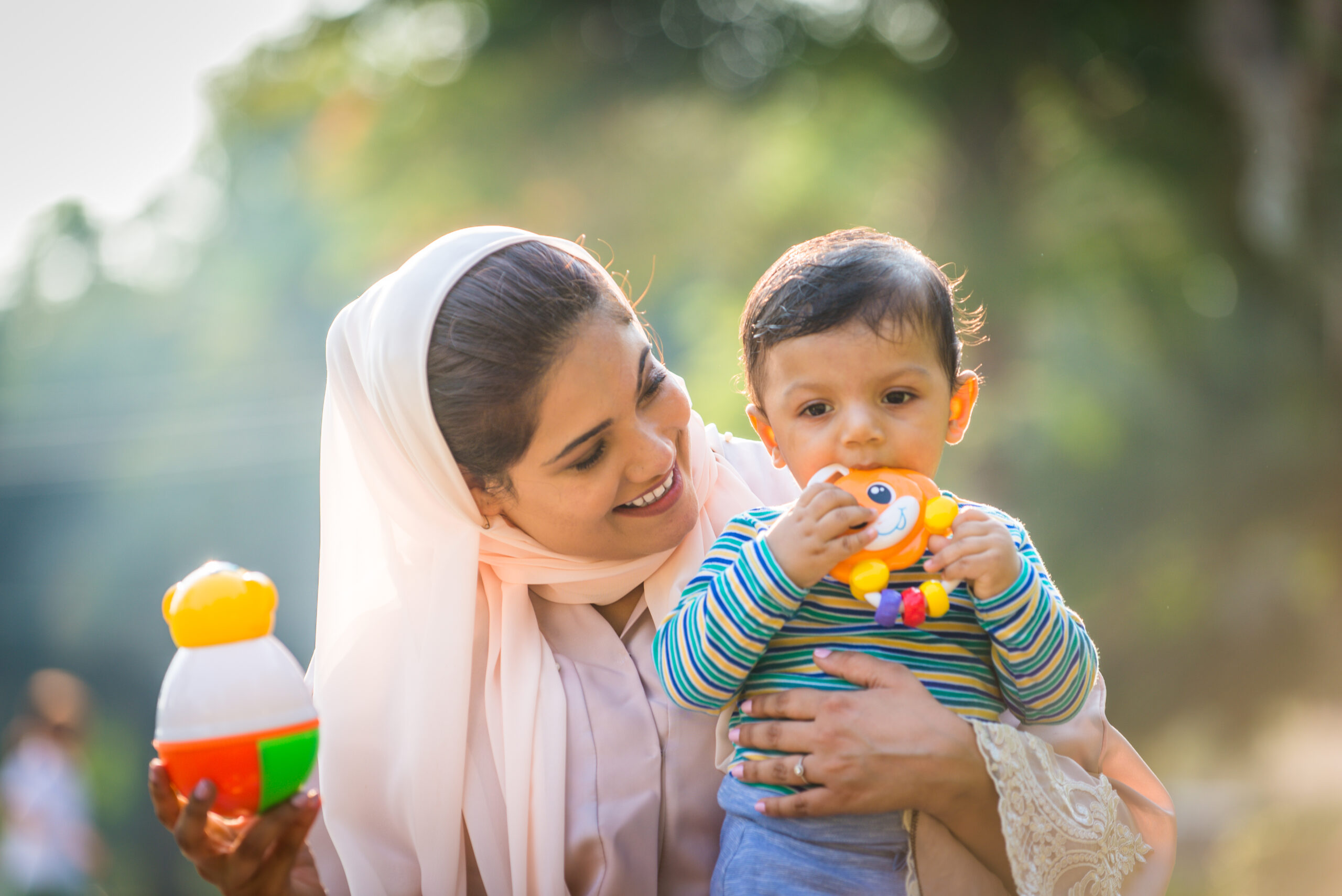

Touch is a universal language that speaks volumes, transcending words and cultural barriers. From the gentle caress of a parent to the comforting hug of a friend, touch has profound effects on human development and emotional well-being. This blog explores the intriguing concept that personality can be influenced and shaped by the touch of parents, supported by scientific studies and psychological insights.
The Science of Touch: Why It Matters
Touch is the first sense to develop in humans and remains a critical component of communication and emotional bonding throughout life. Studies have shown that touch can influence various aspects of human behaviour, including stress response, social interaction, and even immune function.
Key Study: Researchers at the University of Miami found that premature infants who received regular tactile stimulation (like gentle stroking) gained more weight and had better developmental outcomes compared to those who did not receive such stimulation. This highlights the importance of touch in early development.
Touch and Emotional Bonding
Touch is essential for creating and maintaining emotional bonds. When parents hold and cuddle their children, it releases oxytocin, often called the “love hormone.” Oxytocin promotes feelings of trust and bonding, which are crucial for the emotional and psychological development of a child.
Fact: A study published in the journal Developmental Review found that children who experience consistent, affectionate touch from their parents are more likely to develop secure attachments and exhibit better emotional regulation.
The Impact of Parental Touch on Personality
- Building Trust and Security: Regular, affectionate touch from parents helps children feel safe and secure, fostering a sense of trust. This foundation is crucial for developing a confident and resilient personality.
- Enhancing Social Skills: Children who receive positive touch are more likely to be socially adept. They learn to communicate and connect with others effectively, which is a vital aspect of a well-rounded personality.
- Reducing Stress and Anxiety: Touch has a calming effect. Children who are frequently hugged and cuddled by their parents tend to have lower levels of cortisol, the stress hormone. This can lead to a calmer, more composed personality.
Interesting Fact: In cultures where physical affection is more common, such as in Mediterranean countries, people often exhibit lower levels of stress and anxiety and have stronger social bonds.
The Long-Term Effects of Touch Deprivation
On the flip side, the absence of touch can have detrimental effects on personality development. Children who grow up in environments lacking physical affection may experience higher levels of anxiety, difficulty in forming relationships, and even behavioural issues.
Study Insight: Research conducted at the Touch Research Institute showed that children in orphanages, who often suffer from touch deprivation, display more emotional and behavioural problems compared to those raised in affectionate, touch-rich environments.
Practical Tips for Parents: The Power of Touch in Everyday Life
- Cuddle Time: Make time each day for cuddling with your child. This simple act can significantly boost their emotional well-being.
- Gentle Touches: Incorporate gentle touches like pats on the back, holding hands, or a soothing rub on the arm to convey affection and support.
- Be Present: Physical presence, combined with touch, reinforces feelings of safety and security. Be present and engaged during interactions with your child.
Conclusion: The Lasting Impact of a Loving Touch
Touch is not just a physical act; it’s a powerful tool that shapes our emotional and psychological landscapes. For parents, understanding the profound impact of touch on a child’s personality can inspire more intentional and affectionate interactions. By weaving touch into the fabric of daily life, parents can help nurture confident, secure, and emotionally healthy individuals.
So next time you hug your child, remember that you’re not just offering comfort – you’re helping to shape their future.

Leave a Comment