

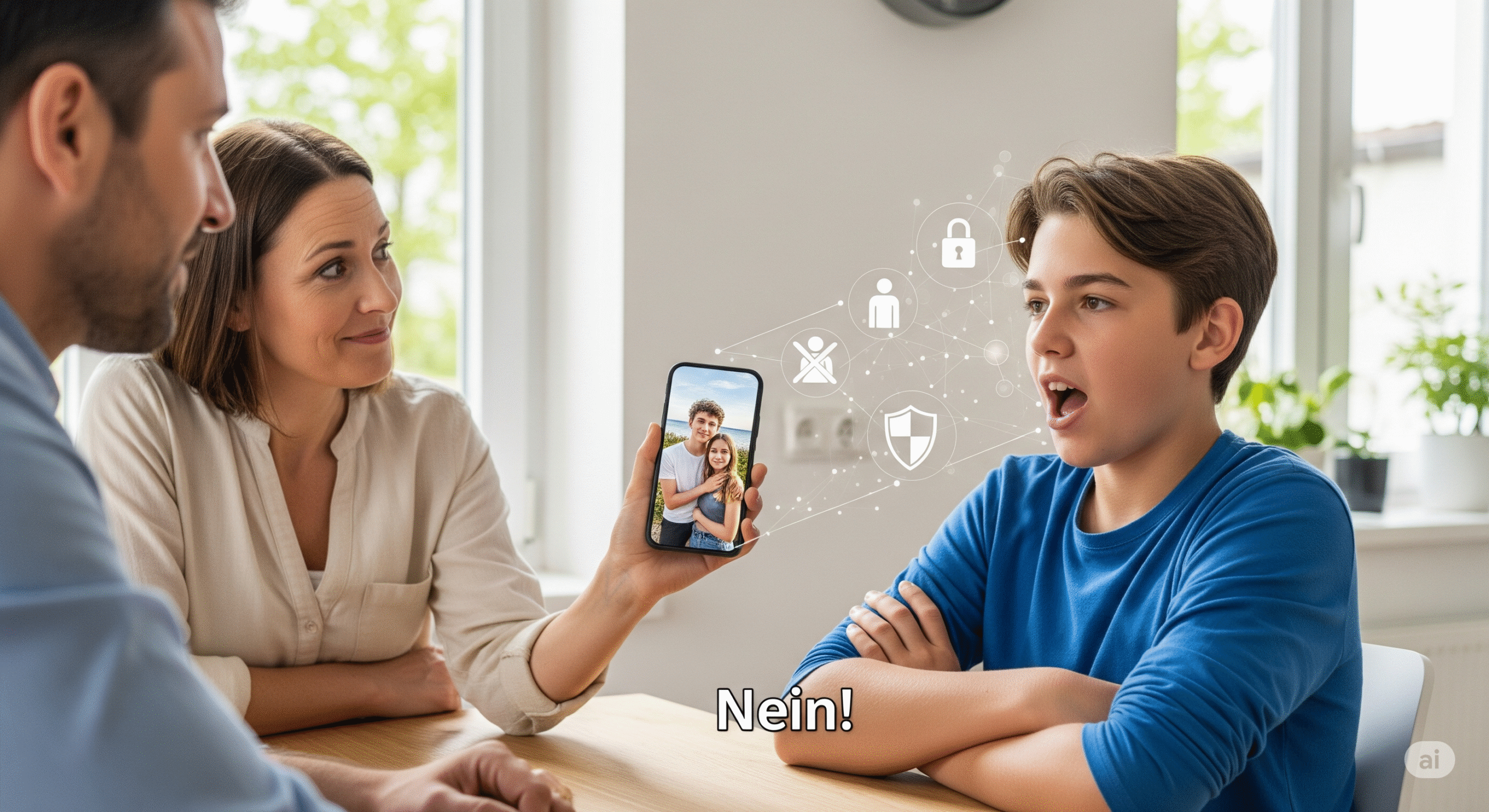

In today’s digital-first world, it’s common to see parents proudly posting their children’s photos on Facebook, Instagram, or family WhatsApp groups. This trend, often called “sharenting” (sharing + parenting), may seem harmless—but in countries like Germany and Austria, the law takes a different view.
The Right to One’s Own Image
In both Germany and Austria, the right to one’s own image extends to children as well. This means that parents do not automatically have the final say over their child’s digital presence. By the age of 14, teenagers are generally considered capable of judgment. That’s when a significant shift happens: teens themselves gain legal control over how their image is used online.
What Does This Mean for Parents?
If parents post photos of their teenagers without consent, the teens can:
- Demand Deletion of the photos.
- Seek an Injunction to prevent further posting.
- Claim Damages in cases where their privacy is violated.
In severe scenarios, parents could even face penalties. While no major lawsuits have yet made headlines, the legal framework is clear—teenagers have enforceable rights when it comes to their digital self-image.
Sharenting and the Bigger Debate
This growing debate isn’t just about family rules—it’s about the broader issue of digital self-determination. Children, like adults, deserve the right to decide what version of themselves appears online.
Fun Facts & Trivia: Sharenting Gone Wrong
- France’s Strict Stance: Posting your kid’s photos without consent can lead to fines of up to €45,000 and even jail time for parents. Ouch!
- Italy’s 2017 Case: A 16-year-old took her parents to court to force them to delete hundreds of childhood photos from Facebook. The judge sided with the teen.
- Famous Mishap: Actress Gwyneth Paltrow once posted a selfie with her daughter Apple. Apple clapped back in comments: “Mom, we’ve discussed this. You may not post anything without my consent.” — a digital generation gap in action!
- Quirky Global Law: In South Korea, children as young as 3 years old can legally assert their right to privacy, including stopping their parents from sharing photos online.
📱 Did You Know?
- By 2030, sharenting is expected to account for two-thirds of all identity fraud cases targeting young people. Why? Because parents overshare — birthdays, full names, schools — giving hackers ready-made data.
- In the US, studies show that 92% of toddlers under age 2 already have some kind of online presence, thanks to parental posts.
Digital Self-Determination
The German-Austrian stance isn’t about banning parents from proud moments. It’s about recognizing that children are individuals with digital identities. Just as kids get to decide their haircut or clothing style as they grow, they should also decide whether their face becomes part of the internet forever.
Why This Matters Globally
With social media woven into everyday life, sharenting is becoming a global issue. From college applications to future jobs, a digital footprint created without consent could have long-term consequences for children. Germany and Austria’s approach highlights an important truth: privacy rights don’t stop at childhood.
Conclusion
As the debate around sharenting grows, one thing is becoming clear—teens are not just passive participants in their parents’ social media feeds. They are individuals with rights, voices, and a say in their digital presence. Perhaps it’s time for parents everywhere to pause before posting and ask a simple question: “Do you agree to this?”, “Would they want this online 10 years from now?”

Leave a Comment