

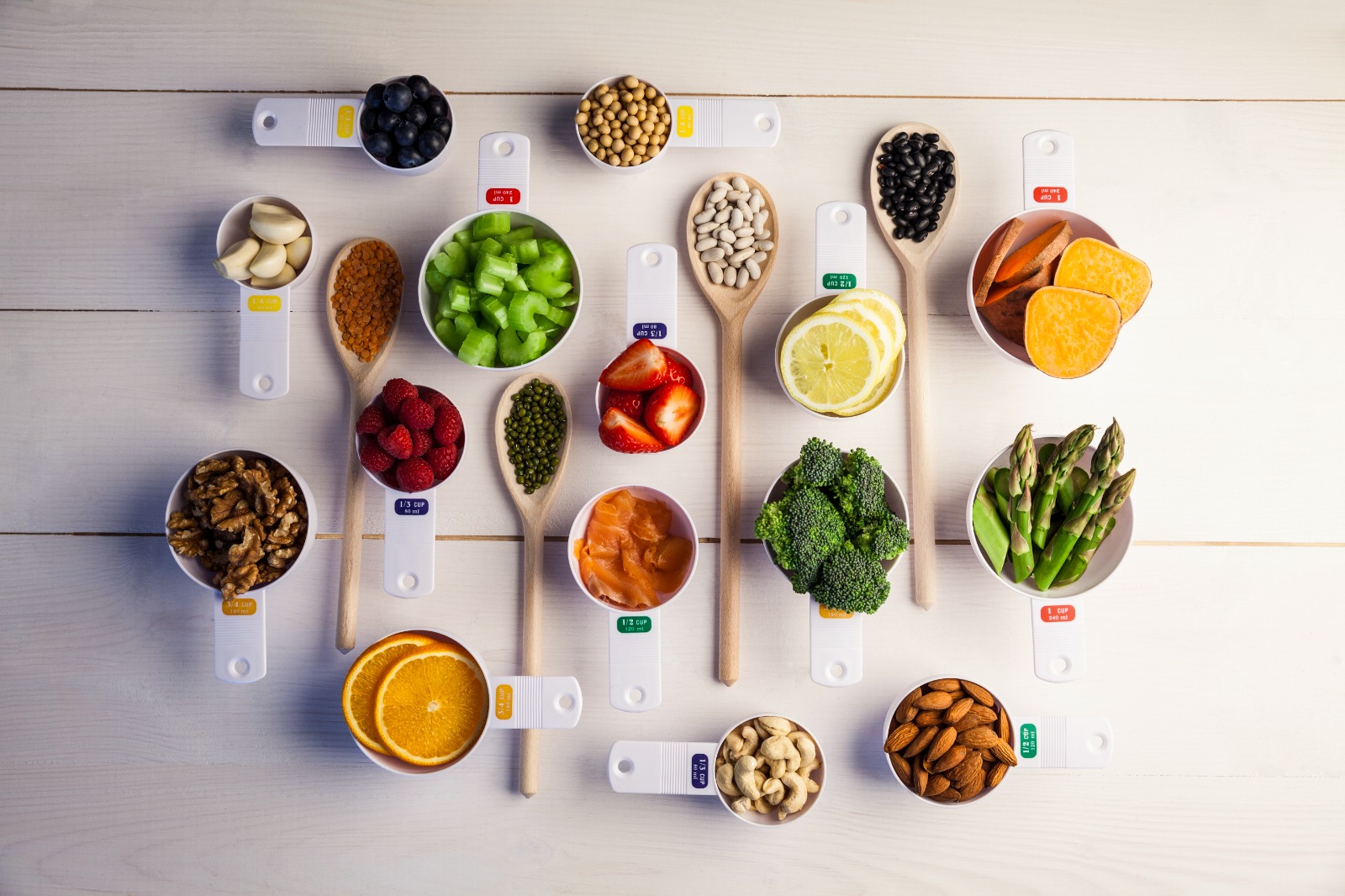

The Indian Council of Medical Research (ICMR) has revised the dietary guidelines for Indians (DGIs) to provide healthier diet and lifestyle recommendations, ensuring dietary and nutritional requirements for people of all ages. The medical body that has revised the guidelines after 13 years, released 17 dietary guidelines to meet the requirements of essential nutrients to prevent health issues including obesity and diabetes.
Framed by researchers from the Hyderabad-based National Institute of Nutrition (NIN), the modern dietary guidelines for Indians specifically advised people to be physically active, exercise regularly, restrict intake of salt, minimise high fat, sugar, ultra-processed foods and take steps to prevent overweight and obesity. The guidelines have been curated by a team of experts, led by Dr Hemalatha R, Director, ICMR-NIN. These dietary guidelines have undergone several scientific reviews and revisions over the years.
The Director of ICMR-NIN said that through the DGIs, they emphasize that the most logical, sustainable, and long-term solution to all forms of malnutrition is ensuring the availability, accessibility, and affordability of nutrient-rich foods while promoting consumption of diverse foods. The guidelines contain scientific evidence-based information that would facilitate the attainment of goals stated in the National Nutrition Policy.
Over 56% Diseases in India Linked to Diet
According to the guidelines, a proper diet diversity will also help prevent non-communicable diseases. Estimates show that 56.4 per cent of total disease burden in India is due to unhealthy diets. The NIN said that healthy diets and physical activity can reduce a substantial proportion of coronary heart disease and hypertension and prevent up to 80% of type 2 diabetes.
About 25% of Indians are either overweight or obese. Over 31% of urban and 16% of rural adults are overweight. Individuals with abdominal obesity and overall obesity are at an enhanced risk of lifestyle diseases including type 2 diabetes, fatty liver disease, gallstones, osteoarthritis, hypertension, other cardiovascular diseases, certain cancers, and psycho-social problems.
According to NIN, a significant proportion of premature deaths can be averted by following a healthy lifestyle. It stated that an increase in the consumption of processed foods, along with decreased physical activities may limit access to diverse foods, exacerbate micronutrient deficiencies and overweight issues.
My Plate for the Day
The ICMR-NIN, ‘My Plate for the Day’ recommends sourcing of macronutrients and micronutrients from a minimum of eight food groups, with vegetables, fruits, green leafy vegetables, roots and tubers forming essentially half the plate of the recommended foods per day.
The other major portion is occupied by cereals and millets, followed by pulses, flesh foods, eggs, nuts, oil seeds and milk/curd. Intake of cereals should be limited to 45% of the total energy, while for pulses, eggs and flesh foods, the total energy percentage should be around 14% to 15%; total fat intake should be less than or equal to 30% energy, while nuts, oilseeds, milk and milk products should contribute to 8%–10% of total energy per day respectively.
Major Takeaways from ICMR Dietary Guidelines
- Balanced Diet
A balanced diet should provide not more than 45 percent calories from cereals, and millets and up to 15 percent of calories from pulses, beans, and meat. The rest of the calories should come from nuts, vegetables, fruits, and milk. Low intake of essential nutrients can disrupt metabolism and increase the risk of insulin resistance and associated disorders from a young age.
- Include Variety Within Food Groups
Different types of cereals, millets and pulses have different nutrient profile; hence a variety of cereals, millets and pulses are recommended to be consumed on a daily basis for adequacy of different nutrients.
- Add a Variety of Oilseeds and Nuts
Foods such as nuts, oilseeds, fish, etc. are nutrient dense and are rich sources of good quality fats, proteins, vitamins and other nutrients. Different varieties of oilseeds and nuts are advised. Foods such as fenugreek seeds, amaranth seeds, flax seeds, chia seeds and basil seeds have health promoting effects and can be consumed at least three to four times a week.
- Include a Variety of Fruits and Vegetables
Vegetables and fruits are sources of protective nutrients such as vitamins, minerals, phytonutrients, antioxidants and fiber. Different varieties of vegetables and fruits should be consumed.
- Limit Added Salt, Sugar and Fat Intake
The NIN recommends restricting salt and sugar intake and using oils and fat in moderation. It said that Indians should consume 20-25 grams of sugar a day, since it comes from natural carbohydrates. Restrict the intake of added salt to a maximum of 5g per day. Foods containing high sugar/salt/fat/ refined cereals such as sweets, biscuits, cakes, candies, fruit juices or carbonated beverages provide high calories and nil or low nutrients and hence should be avoided.
- Avoid Protein Supplements
The NIN has also urged people to avoid protein supplements for building body mass. It stated that prolonged intake of large amounts of protein powders or consumption of high protein concentrate has been associated with potential dangers such as bone mineral loss and kidney damage.
- Regular Physical Activity
Regular physical activity like yoga and exercise of moderate intensity are recommended for good health and wellbeing. These help in maintaining desirable body weight, muscle strength, bone health, flexibility of joints and appropriate body mass composition, which are of vital significance for health.
- Avoid Ultra-Processed Foods
They are usually high in fats/sugar/salt and or low in micronutrients and fibre and mostly calorie dense. Restrict consumption of HFSS and UPF foods like sauces, cheese, mayonnaise, jams, fruit pulps, juices, carbonated beverages, biscuits, cookies, cakes, pastries, breakfast cereals, cool drinks, health drinks, packaged fruit juices, etc.
- Always Read Food Label Information
ICMR warned that the information presented on packaged food can be misleading.
- Sugar-free foods may be loaded with fats, refined cereals (white flour, starch) and even hidden sugars (maltitol, fructose, corn syrup, molasses). These would imply high glycemic index and high calories in the food item.
- Another popular claim was on the proportion of the nutrient offered in a single serving of a product marketed as a “good source of protein, vitamin D or other nutrients’’. To make an accurate judgment, people should read about the quantity of these nutrients with reference to daily requirements.
- Not all organic food claims should be believed. When a food label states ‘organic’, it may simply mean that it is free of all artificial preservatives, flavours and colours, and that the food ingredients are free from pesticides and chemical fertilisers. If both the above are met, then the label can state 100 per cent organic and have the ‘Jaivik Bharat’ logo approved by Food Safety and Standards Authority of India (FSSAI).
- Healthy Sleeping Pattern
Healthy sleeping pattern (7–8 hrs/day) is necessary to avoid unhealthy eating behaviors and resultant weight gain. To follow a healthy sleeping pattern, minimize non-essential screen time.

Leave a Comment