

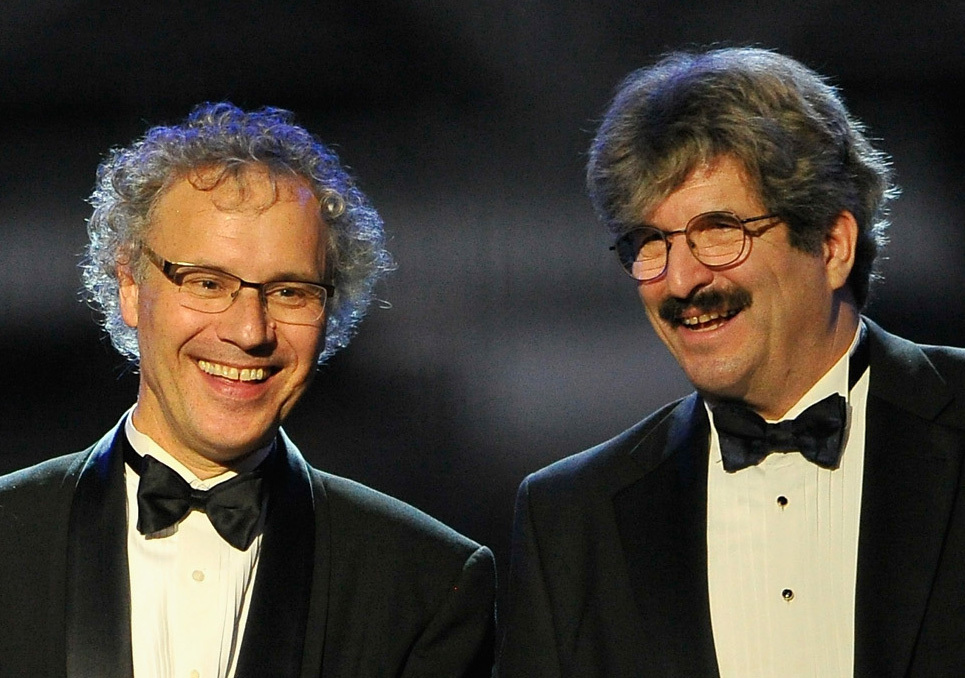

The Nobel Prize in Physics 2024 has been awarded to John J. Hopfield and Geoffrey E. Hinton for their ground-breaking work that has changed the world of machine learning with artificial neural networks! These scientists are the reason AI is as smart as it is today.
Let’s dive into who these two brilliant minds are and why their work matters!
John J. Hopfield
John Hopfield is an American biophysicist who made groundbreaking contributions to understanding how the brain processes information. In 1982, Hopfield introduced the concept of a neural network that could learn by itself—a revolutionary idea that laid the foundation for machine learning. He’s often referred to as the father of the Hopfield Network, which mimics how neurons interact in the brain to form memories and make decisions.
Fun Fact: John Hopfield’s work wasn’t just about understanding computers—it was about understanding us! His research initially aimed to figure out how the human brain works.
Geoffrey E. Hinton
Geoffrey Hinton, known as the “Godfather of Deep Learning,” is a British-Canadian cognitive psychologist and computer scientist. His work has revolutionized the way machines learn from data. Hinton’s development of the backpropagation algorithm in the 1980s became a cornerstone of neural networks, allowing computers to improve their accuracy by adjusting the connections between “neurons.”
Did You Know? Geoffrey Hinton is not just a scientist—he’s the mentor of some of the most famous names in AI, including people behind Google DeepMind!
Why Artificial Neural Networks Matter
Artificial neural networks work like our brains! Inspired by biological neurons, they consist of nodes (neurons) connected by weighted links (synapses). These networks “learn” by adjusting their connections based on data, allowing them to recognize patterns, make decisions, and even predict the future! Sounds like sci-fi, right?
But these networks are everywhere—self-driving cars, medical diagnoses, and even the recommendation systems that suggest your next Netflix binge are powered by machine learning!
Did You Know?
- Neural networks can “dream”! Yes, some machine learning algorithms “hallucinate” data to improve their training.
- Hinton’s work is the reason AI assistants like Siri or Alexa can understand and respond to your voice commands!
- John Hopfield’s original research was inspired by biophysics, and today, his model helps your smartphone take better pictures by recognizing objects!
Fun Fact: The 2023 Physics Nobel
While Hopfield and Hinton are being celebrated this year, last year’s prize went to Anne L’Huillier, Pierre Agostini, and Ferenc Krausz for their work in the superfast world of electrons! They captured the briefest moment in physics—a split-second glimpse of spinning electrons, which could lead to futuristic gadgets and even better medical technology!
Why You Should Care
Machine learning and AI are shaping our future—from how we work to how we live. This Nobel Prize celebrates decades of research that will define the tech-driven world for generations to come.
So if you’re fascinated by how tech mimics human brains or how machines “learn,” take a moment to appreciate the brilliance of these Nobel laureates!


Leave a Comment