


There are some stories that never leave you.
Some that you wish were fiction, but they aren’t.
Delhi Crime Season 3 takes one such wound from India’s recent past — the 2012 Baby Falak case — and turns it into a gut-wrenching, brilliantly crafted season that stays with you long after the final episode.
When director Tanuj Chopra finally confirmed in an interview that the new season is inspired by the Baby Falak case, I knew this one wouldn’t be easy to watch.
And it isn’t.
But it is necessary.
The Real Incident That Inspired Season 3
In 2012, a two-year-old girl — later named Falak by nurses — was brought to AIIMS Trauma Centre by a 15-year-old girl who pretended to be her mother.
What doctors saw shocked even the trauma unit:
- A fractured skull
- Broken limbs
- Human bite marks
- Burns from a hot iron
- Severe infections
- Six brain surgeries
- And yet… she fought.
She survived two heart attacks, came off life support, and nurses started calling her “the miracle baby.”
But on 15 March 2012, Falak suffered a final cardiac arrest and passed away.
Her heartbreaking story opened a Pandora’s box of child trafficking, exploitation, and the brutal reality of young girls who disappear into the cracks of this country.
How Delhi Crime Season 3 Brings This Case Back
The new season doesn’t recreate the case scene-to-scene — and it shouldn’t.
Tanuj Chopra himself said:
“You have to add a lot more to the original source material to make it work on the digital platform.”
And yet, the emotional truth remains intact.
The season opens with an abandoned baby, covered in injuries — and from that moment, DCP Vartika Chaturvedi (Shefali Shah at her finest) is pulled into a labyrinth of human trafficking that moves from Delhi to Rohtak to Bangkok.
The beauty of Delhi Crime is always in the details:
- No sensationalism
- No melodrama
- No unnecessary gore
Just raw truth, told with dignity.
Performances That Hit Hard
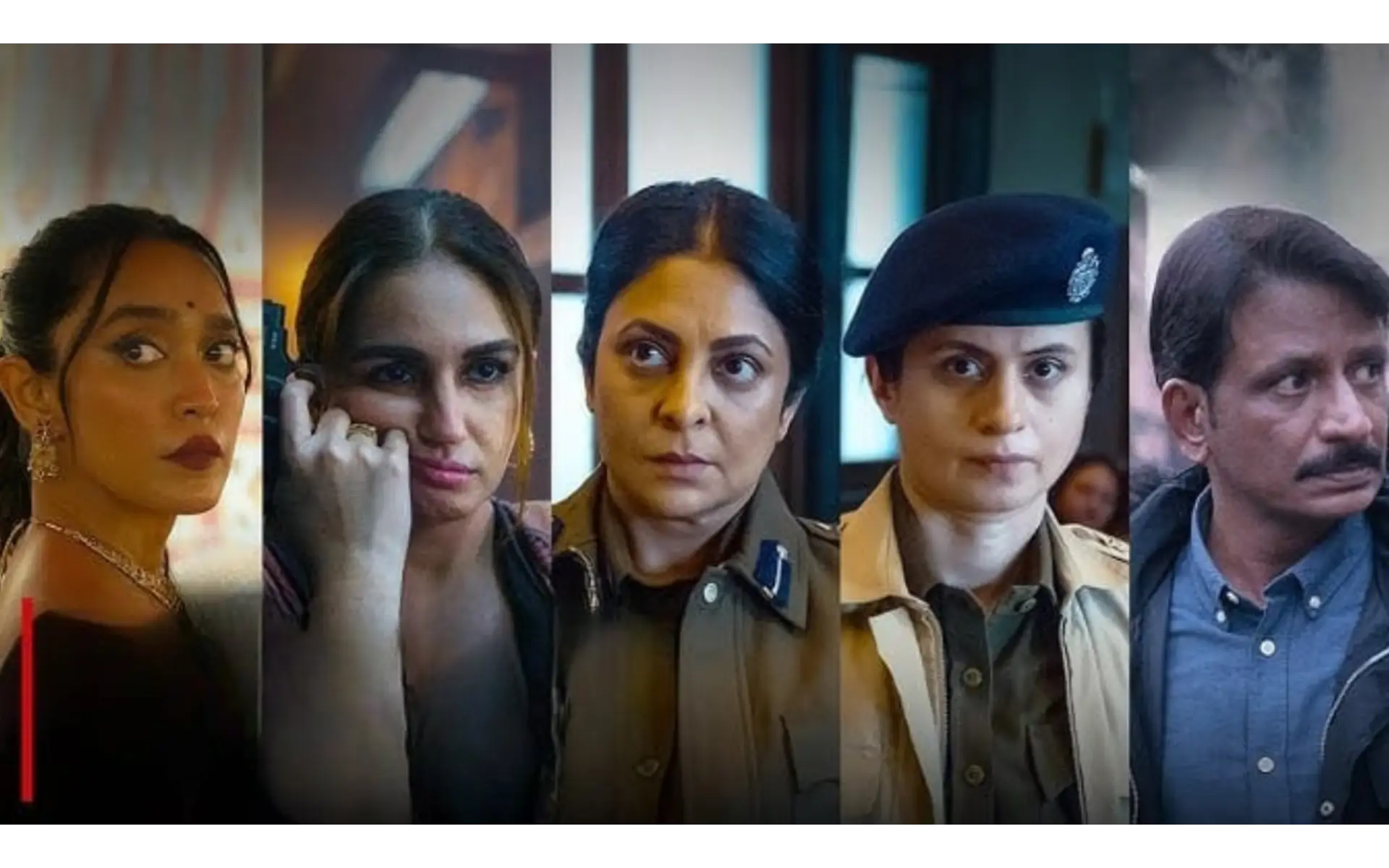
- Shefali Shah continues to be the steel backbone of the show.
- Huma Qureshi as “Badi Didi” is terrifying — a trafficker shaped by patriarchy’s cruelty.
- Sayani Gupta, Mita Vashisht, Rasika Dugal, Rajesh Tailang — each one adds shadow and depth to this brutal world.
There’s one thing Season 3 does differently — it reminds us again and again that monsters are often created by the same system that destroys their victims.
The Weight of Reality
This season is not easy to digest.
It’s not meant to be.
Falak’s real story still hurts.
Even today, we remember the nurses who adopted her in their hearts…
The police who worked tirelessly…
The mother who finally found her children after being trapped by traffickers herself.
Watching Season 3 felt like reopening an old newspaper clipping — but this time with names and faces we’ve grown to trust.
Should You Watch It?
Absolutely.
Not for entertainment,
Not for thrills,
But to remind ourselves why stories like these must never fade away.
Delhi Crime Season 3 is gripping, sharp, and emotionally devastating — everything a responsible crime drama should be.
It shows us:
- How trafficking networks operate
- How young girls are pulled into exploitation
- How babies are traded like objects
- How officers fight despite limited resources
Most importantly, it shows us that while justice is slow, truth has a voice — and this show amplifies it.
Final Thoughts
As someone who followed the Baby Falak case closely back in 2012, this season hit differently.
It made me uneasy.
Made me angry.
Made me hopeful — because filmmakers like Tanuj Chopra still choose to tell such stories with sensitivity.
Delhi Crime Season 3 isn’t just a series —
It’s a reminder of a child who should have grown up, gone to school, laughed, lived.
A reminder of how complex and cruel trafficking networks can be.
And a reminder that we owe it to every Falak to keep talking about them.
.
Leave a Comment